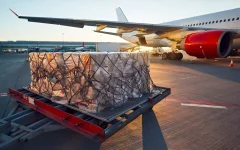
Aviation safety standards may explain why American and South Korean manufacturers equip smartphones with smaller power cells compared to Chinese competitors, according to industry observers. International Air Transport Association guidelines classify lithium batteries exceeding 20 watt-hours as hazardous cargo requiring additional documentation and specialized handling during air transportation.
Converting milliampere-hour ratings to watt-hours reveals that a typical 4,000 milliampere-hour battery in devices like the Galaxy S25 produces approximately 14.8 watt-hours when multiplied by the standard 3.7-volt nominal voltage. Chinese brands primarily distribute products domestically or in markets with less restrictive freight regulations, while Apple and Samsung ship substantial volumes to jurisdictions enforcing stricter airborne cargo protocols.
Manufacturers targeting Western markets apparently design around the regulatory threshold to avoid classification as dangerous goods, simplifying logistics and reducing compliance costs associated with hazard labeling and special packaging mandates.
Converting milliampere-hour ratings to watt-hours reveals that a typical 4,000 milliampere-hour battery in devices like the Galaxy S25 produces approximately 14.8 watt-hours when multiplied by the standard 3.7-volt nominal voltage. Chinese brands primarily distribute products domestically or in markets with less restrictive freight regulations, while Apple and Samsung ship substantial volumes to jurisdictions enforcing stricter airborne cargo protocols.
Manufacturers targeting Western markets apparently design around the regulatory threshold to avoid classification as dangerous goods, simplifying logistics and reducing compliance costs associated with hazard labeling and special packaging mandates.