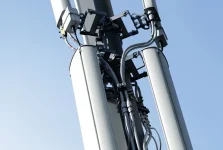
Vodafone plans to use space technology to fix a common problem with cell phone towers. The company will put special sensors inside mobile antennas that connect to satellites. These sensors help keep antennas pointed in the right direction for better phone service. Bad weather and ground movement can shift antennas over time and hurt signal quality. The new system starts in Albania this September before expanding to other countries.
Workers currently install antennas by hand on towers up to 50 meters tall. Engineers must aim each antenna carefully to cover specific areas without interfering with nearby towers. They check the direction the antenna points compared to north and adjust its tilt. The job becomes harder when multiple phone companies share the same tower. Precise positioning affects how far signals reach and prevents dead zones.
The new sensors use GPS technology to track antenna position constantly. They send location data and performance information back to Vodafone control centers. Network engineers can then move antennas remotely or send repair crews when needed. This reduces the number of tower visits required for maintenance and cuts costs over time.
Alberto Ripepi leads Vodafone's network operations and says antenna alignment is critical for modern networks. Proper positioning eliminates coverage gaps and delivers faster internet speeds. The technology also reduces failed calls and improves connection reliability. Vodafone eventually wants to move antennas automatically to match demand patterns like rush hour traffic or stadium events.
The antenna project connects to Vodafone's broader sensor network program. The company operates about 160,000 cell towers across Europe and Africa. Some towers already carry weather sensors that predict rainfall and flooding at the local level.
Workers currently install antennas by hand on towers up to 50 meters tall. Engineers must aim each antenna carefully to cover specific areas without interfering with nearby towers. They check the direction the antenna points compared to north and adjust its tilt. The job becomes harder when multiple phone companies share the same tower. Precise positioning affects how far signals reach and prevents dead zones.
The new sensors use GPS technology to track antenna position constantly. They send location data and performance information back to Vodafone control centers. Network engineers can then move antennas remotely or send repair crews when needed. This reduces the number of tower visits required for maintenance and cuts costs over time.
Alberto Ripepi leads Vodafone's network operations and says antenna alignment is critical for modern networks. Proper positioning eliminates coverage gaps and delivers faster internet speeds. The technology also reduces failed calls and improves connection reliability. Vodafone eventually wants to move antennas automatically to match demand patterns like rush hour traffic or stadium events.
The antenna project connects to Vodafone's broader sensor network program. The company operates about 160,000 cell towers across Europe and Africa. Some towers already carry weather sensors that predict rainfall and flooding at the local level.