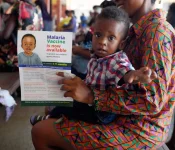
A new analysis warns that reduced funding from wealthy nations to the Global Fund to Fight AIDS, TB, and Malaria could trigger a major malaria resurgence, leading to millions of additional cases, tens of thousands of deaths, and billions in lost economic output by 2030. The fund provides nearly 60% of global financing for malaria tools such as bed nets and preventive drugs.
If contributions fall by 20% from the last funding round, researchers project 33 million additional cases, 82,000 more deaths, and US$5.14 billion in lost GDP. A total collapse in prevention efforts could cause 525 million more infections, 990,000 additional deaths—750,000 of them children under five—and US$83 billion in economic damage.
Germany recently pledged US$1 billion, 23% less than before; the UK may cut its contribution by 20%. African leaders and advocates, including Joy Phumaphi of the African Leaders Malaria Alliance and businessman Aliko Dangote, urge G7 nations, the private sector, and philanthropists to maintain or increase support. They stress that controlling malaria drives economic growth, productivity, and market stability across Africa.
If contributions fall by 20% from the last funding round, researchers project 33 million additional cases, 82,000 more deaths, and US$5.14 billion in lost GDP. A total collapse in prevention efforts could cause 525 million more infections, 990,000 additional deaths—750,000 of them children under five—and US$83 billion in economic damage.
Germany recently pledged US$1 billion, 23% less than before; the UK may cut its contribution by 20%. African leaders and advocates, including Joy Phumaphi of the African Leaders Malaria Alliance and businessman Aliko Dangote, urge G7 nations, the private sector, and philanthropists to maintain or increase support. They stress that controlling malaria drives economic growth, productivity, and market stability across Africa.