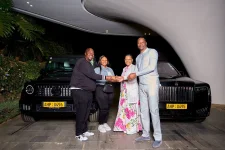
By June 2026, Wicknell Chivayo had publicly named Eunor Guti, Nqobile Magwizi, Emmanuel Makandiwa and Ruth Makandiwa among people who declined his gifts. Their reasons were not interchangeable, and one of those refusals did not last.
Guti connected her decision to religious principles associated with her late husband. Magwizi said accepting Chivayo’s vehicles would conflict with the ethical duties attached to running Zimbabwean football. Makandiwa initially declined an undisclosed offer, then publicly changed course weeks later.
Those differences matter because “rejected a Chivayo gift” can describe very different events. One refusal was presented as final, another was tied to formal governance rules, and another became part of a longer relationship in which gifts were eventually accepted.
Her position also closed an obvious alternative. Guti said she did not want the money redirected into church projects under the same offer. ZAOGA had projects that could use funding, but she still rejected the donation rather than separating the cash from the personal gift.
The Land Cruiser itself was not persuasive either. Guti said she already had one and did not see a reason to seek another. Her account therefore treated the offer as a question of principle rather than a negotiation over the amount, vehicle, or eventual beneficiary.
Chivayo later continued to cite Guti as an example of someone who had declined him. Months after the refusal, he referred to the episode while discussing the risk of approaching other prominent people with gifts. Nothing in the material reviewed for this article shows Guti later reversing her decision.
Large gifts can create expectations even when no explicit repayment is requested. A 2017 American Economic Review experiment on social obligations created by gifts found that recipients can respond to gifts despite understanding the giver’s intention. It cannot explain Guti’s personal motive, but it shows why recipients may treat valuable gifts as more complicated than free property.
His stated concern was conflict of interest. Magwizi said Chivayo had business connections with football clubs operating under structures ZIFA regulates, which made accepting a high-value personal vehicle problematic in his role as association president.
FIFA’s 2023 Code of Ethics gives that concern a concrete framework. Its gift rules permit benefits only when several conditions are met, including symbolic or trivial value, no improper influence, no undue advantage, and no conflict of interest. If doubt remains, the code tells covered officials not to accept the gift.
A Range Rover Sport worth hundreds of thousands of dollars sits far outside the ordinary meaning of a symbolic token. Magwizi did not merely say the publicity felt uncomfortable. He tied the refusal to rules governing his office and to the appearance or existence of a conflict.
This makes his case different from a personal preference. The recipient’s job changed what he could reasonably accept, regardless of whether Chivayo described the vehicle as appreciation. A gift can be voluntary on the giver’s side while still creating a compliance problem for the recipient.
Makandiwa later explained that he had deliberately chosen not to collect the gift. By late July, however, he told his congregation he was ready to receive Chivayo’s gifts and said prayer and blessing would still accompany the acceptance.
The reversal makes Makandiwa a poor fit for any permanent list of people who rejected Chivayo. He belongs in the history of refusals, but his status changed. The later US$1 million church contribution and luxury vehicles were announced after his public change of position, so they should not be described as the exact undisclosed package he first declined.
The distinction also keeps the September UFIC Toyota package separate from the earlier refusals. Those 12 vehicles were announced for selected church members, not as replacements for Guti’s rejected donation or Magwizi’s declined cars. Chivayo’s gifting history contains several separate offers, and the reasons people accepted or refused them depended heavily on who was being asked and what role they held.
Guti connected her decision to religious principles associated with her late husband. Magwizi said accepting Chivayo’s vehicles would conflict with the ethical duties attached to running Zimbabwean football. Makandiwa initially declined an undisclosed offer, then publicly changed course weeks later.
Those differences matter because “rejected a Chivayo gift” can describe very different events. One refusal was presented as final, another was tied to formal governance rules, and another became part of a longer relationship in which gifts were eventually accepted.
Guti’s refusal drew a firm religious line
Eunor Guti publicly said she had turned down US$2 million and a Toyota Land Cruiser offered by Chivayo. Her explanation went beyond simply saying she did not need another vehicle. She said she had considered the offer through the principles she associated with her late husband, ZAOGA founder Ezekiel Guti, and concluded she should not accept it.Her position also closed an obvious alternative. Guti said she did not want the money redirected into church projects under the same offer. ZAOGA had projects that could use funding, but she still rejected the donation rather than separating the cash from the personal gift.
The Land Cruiser itself was not persuasive either. Guti said she already had one and did not see a reason to seek another. Her account therefore treated the offer as a question of principle rather than a negotiation over the amount, vehicle, or eventual beneficiary.
Chivayo later continued to cite Guti as an example of someone who had declined him. Months after the refusal, he referred to the episode while discussing the risk of approaching other prominent people with gifts. Nothing in the material reviewed for this article shows Guti later reversing her decision.
Large gifts can create expectations even when no explicit repayment is requested. A 2017 American Economic Review experiment on social obligations created by gifts found that recipients can respond to gifts despite understanding the giver’s intention. It cannot explain Guti’s personal motive, but it shows why recipients may treat valuable gifts as more complicated than free property.
Magwizi’s refusal came from football governance
Nqobile Magwizi’s case was more procedural. The ZIFA president said Chivayo had offered him two vehicles at different times, including a Toyota Land Cruiser and, later, a 2026 Range Rover Sport that he valued at about US$250,000. Magwizi said he declined both after consulting governance advisers.His stated concern was conflict of interest. Magwizi said Chivayo had business connections with football clubs operating under structures ZIFA regulates, which made accepting a high-value personal vehicle problematic in his role as association president.
FIFA’s 2023 Code of Ethics gives that concern a concrete framework. Its gift rules permit benefits only when several conditions are met, including symbolic or trivial value, no improper influence, no undue advantage, and no conflict of interest. If doubt remains, the code tells covered officials not to accept the gift.
A Range Rover Sport worth hundreds of thousands of dollars sits far outside the ordinary meaning of a symbolic token. Magwizi did not merely say the publicity felt uncomfortable. He tied the refusal to rules governing his office and to the appearance or existence of a conflict.
This makes his case different from a personal preference. The recipient’s job changed what he could reasonably accept, regardless of whether Chivayo described the vehicle as appreciation. A gift can be voluntary on the giver’s side while still creating a compliance problem for the recipient.
Makandiwa’s refusal later became an acceptance
Emmanuel and Ruth Makandiwa initially declined an undisclosed Chivayo gift and offered to pray for him instead. Chivayo disclosed the refusal publicly in June 2026, grouping the couple with Guti and Magwizi as examples of people who had said no.Makandiwa later explained that he had deliberately chosen not to collect the gift. By late July, however, he told his congregation he was ready to receive Chivayo’s gifts and said prayer and blessing would still accompany the acceptance.
The reversal makes Makandiwa a poor fit for any permanent list of people who rejected Chivayo. He belongs in the history of refusals, but his status changed. The later US$1 million church contribution and luxury vehicles were announced after his public change of position, so they should not be described as the exact undisclosed package he first declined.
The distinction also keeps the September UFIC Toyota package separate from the earlier refusals. Those 12 vehicles were announced for selected church members, not as replacements for Guti’s rejected donation or Magwizi’s declined cars. Chivayo’s gifting history contains several separate offers, and the reasons people accepted or refused them depended heavily on who was being asked and what role they held.