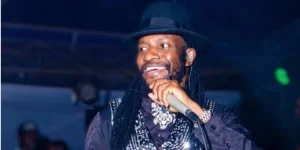
Winky D's famous stage name came straight from fans at his first music clashes. Crowds dubbed him Wicked Deejay, and that tag got cut down to Winky D as his fame grew. He shared the backstory while chatting about his rise in Zimbabwean dancehall.
And that was not his sole nickname. The Ninja became part of his image. Fans also know him as the Gafa. Extra-terrestrial is another tag linked to the star.
His love for reggae goes way back. As a kid, he would collect tapes and listen to the music. By age 16, he had begun playing small gigs and taking part in sound clashes. Those first shows taught him that raw skill was not enough to build a long music career.
Kambuzuma in Harare played a big part as well. Life in that area gave him ideas for his songs. For him, dancehall and reggae can speak of hard times, pride, jokes, and joy. Music had to mean more than just a good beat.
After over 20 years in music, he has seen Zimdancehall change a lot. Jamaican dancehall had a strong role at first. Then local acts began to use home languages, street talk, humor, and tales from daily life. Bit by bit, the genre grew into a style that speaks to Zimbabweans.
Killer T got praise for helping the genre grow. The late Soul Jah Love earned his respect as well, while Enzo Ishall got credit for his fresh style. Each artist had a part to play.
As for young acts, his advice was quite clear. They need to find a style that fits them, stay close to the people who shape their music, and keep trying new things. Every new wave of talent has a chance to bring fresh ideas.