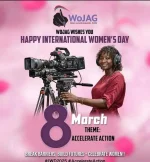
Despite growing numbers in newsrooms, women reporters in The Gambia face tough challenges at work. On International Women's Day 2025, the Women Journalists Association of The Gambia demands better treatment for female media workers across the country. They want equal pay, more leadership roles, and an end to sexual harassment. Media companies need to make big changes fast to close the gender gap.
This year's global theme is "For ALL Women and Girls: Rights. Equality. Empowerment." But WoJAG says Gambian women journalists still deal with unfair treatment based on gender every day. Female journalists work as reporters, editors, TV hosts, and even run media companies. Yet, according to WoJAG, they rarely make decisions or lead newsrooms.
"Most new journalism graduates today are women, but men still control the top spots in newsrooms," the group pointed out. Research by the Gambia Press Union from 2020 showed almost half of female media staff experienced workplace discrimination. These studies also found women earn less money than men doing the same jobs and often lack written job contracts, health insurance, training opportunities, and retirement benefits.
WoJAG President Annette Camara believes media equality should be automatic, not something women must fight for. "Women journalists shape nations, lead industries, and make history, but we still battle for fair pay and decent treatment," she explained. The group wants every media outlet to hire women with proper contracts, pay them fairly, and provide benefits, including health coverage and career growth chances.
They also want more women appointed to editorial boards and management positions. WoJAG urges newsrooms to adopt the GPU's Sexual Harassment Policy to create safer workplaces. Secretary General Banna Sabally stressed everyone must help create fair media spaces for women. As International Women's Day celebrations happen worldwide, WoJAG calls on Gambian media bosses to ensure female journalists receive fair treatment and respect.
This year's global theme is "For ALL Women and Girls: Rights. Equality. Empowerment." But WoJAG says Gambian women journalists still deal with unfair treatment based on gender every day. Female journalists work as reporters, editors, TV hosts, and even run media companies. Yet, according to WoJAG, they rarely make decisions or lead newsrooms.
"Most new journalism graduates today are women, but men still control the top spots in newsrooms," the group pointed out. Research by the Gambia Press Union from 2020 showed almost half of female media staff experienced workplace discrimination. These studies also found women earn less money than men doing the same jobs and often lack written job contracts, health insurance, training opportunities, and retirement benefits.
WoJAG President Annette Camara believes media equality should be automatic, not something women must fight for. "Women journalists shape nations, lead industries, and make history, but we still battle for fair pay and decent treatment," she explained. The group wants every media outlet to hire women with proper contracts, pay them fairly, and provide benefits, including health coverage and career growth chances.
They also want more women appointed to editorial boards and management positions. WoJAG urges newsrooms to adopt the GPU's Sexual Harassment Policy to create safer workplaces. Secretary General Banna Sabally stressed everyone must help create fair media spaces for women. As International Women's Day celebrations happen worldwide, WoJAG calls on Gambian media bosses to ensure female journalists receive fair treatment and respect.