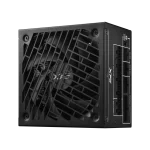
XPG has added GPU cable alerts to its CORE REACTOR III power supply range, with a system that can cut power when current gets out of hand. ADATA's gaming brand offers the new units in 750W, 850W, and 1,000W versions, all with detachable cables.
The big feature here is XTREME Power Guard. It keeps tabs on the current at the graphics card's 12V-2×6 plug and flags trouble through LEDs. Orange means the current is not balanced, while red points to an overload.
If the load gets past a safe limit, XPG claims the PSU can stop feeding power through that GPU plug. The connector also has two colors to help builders spot a loose fit. Pretty neat, though the real test is how well it works under stress.
Compatibility covers Intel ATX 3.1 and PCIe 5.1, with the graphics power lead rated at 600W. XPG also claims the units can cope with brief spikes of 235% of their rated output for just 100 microseconds.
That last figure needs some context. A short burst is not the same as steady power delivery. The 750W model cannot run as a 1,762.5W unit all day, and the same rule applies to its larger siblings.
Efficiency gets two Gold ratings, one from 80 PLUS and another from Cybenetics. Cooling comes from a 135mm fan with a fluid-dynamic bearing. XPG also lists eight safety systems and Japanese main capacitors rated for heat levels of 105°C.
Cable setup is fully modular, which gives builders more freedom to use only the leads they need. That can help with a clean build, mainly in cases where space behind the motherboard tray is tight.
But the safety feature still has some gaps in its public specs. XPG has not shared the precise current limits, how fast the cutoff acts, or the way its sensors detect trouble. That leaves the real behavior of Power Guard open to testing.
Independent checks will need to show whether the alerts catch bad cable contact and how the cutoff deals with brief load spikes. Reviewers will also have to test ripple, voltage stability, fan noise, and real efficiency.
There is no confirmed retail price or full list of launch markets yet. Warranty terms also seem to vary by region, which makes the local policy worth a look before anyone buys one.
For high-end GPU builds, the extra warning lights may be handy. Yet they do not remove the need for a firm cable fit, enough room around the plug, or a PSU with the right wattage for the whole PC.