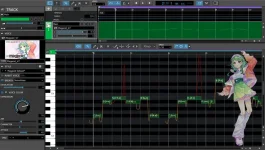
Yamaha has released Vocaloid7, its first major overhaul of the vocal synth in four years. The new edition brings better AI singing, tighter Cubase support, and more ways to shape digital voices. It also aims to make music creation less of a chore for new users and long-time fans.
The big draw here is the second-gen Vocaloid:AI engine. Vocals get a more lifelike tone and a wider range of emotion, at least per Yamaha. There's also Voice Type, which lets producers swap vocal styles within a single Voice Bank. No need to load a whole new singer for each change in mood.
Cubase users get a nice perk as well. Notes and lyrics can go right into the Key Editor, while dedicated knobs handle Expression and Attack. That cuts out some of the back-and-forth between tools. Yamaha also packs Cubase AI with the Vocaloid7 Editor, giving users a DAW to get started.
Then there's asa, a new Voice Bank that comes with the editor. It has a clear vocal tone and can cover a range of styles, giving buyers a ready-made singer for their tracks.
The price sits at $129 for the full editor, with $69 as the standard upgrade fee and a $39 launch deal for eligible users. It runs on macOS and Windows, either on its own or through VST3, AU, and ARA2.
Anyone who wants to test it first gets a 31-day trial. There's also Vocaloid7 Editor Lite, a free standalone option with fewer features and no expiry for users who have a voicebank.
Upgrade access covers Vocaloid3 through Vocaloid6, along with the Cubase editor line, as long as the buyer has a valid serial key. Tiny Vocaloid3 Editor, Vocaloid6 Editor Lite, and Vocalo Changer Plugin don't count.
And here's a neat bit for people with a stack of older voices. Vocaloid7 still works with banks made for versions 3 through 6. Earlier banks also keep support through editor releases that can run them, which helps users keep their past vocal libraries in use.