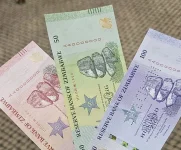
Zimbabwe's central bank chief just flexed that six out of eight boxes are checked for going full ZiG on domestic transactions. Governor John Mushayavanhu made it clear this isn't some hard deadline situation. The whole shift hinges on hitting specific macroeconomic benchmarks first. And the RBZ is treating this like a slow, deliberate rollout rather than a flip-the-switch moment.
Here's what's locked in. Single-digit inflation averaging 4.4 percent, the black-market spread held under 20 percent, a stable financial sector, a functional payments infrastructure, and zero money printing to cover government deficits. The RBZ also teamed up with the World Bank on an automated forex trading platform.
Two hurdles remain. Getting the public to actually transact in ZiG for government services, and bulking up forex reserves to hit that three-month import threshold. Currently, they're holding US$1.6 billion, which covers 1.6 months. Gold accounts for roughly 40 percent of that stash, and Mushayavanhu expects 11 tonnes sitting in vaults by the time the full switch happens.
Here's what's locked in. Single-digit inflation averaging 4.4 percent, the black-market spread held under 20 percent, a stable financial sector, a functional payments infrastructure, and zero money printing to cover government deficits. The RBZ also teamed up with the World Bank on an automated forex trading platform.
Two hurdles remain. Getting the public to actually transact in ZiG for government services, and bulking up forex reserves to hit that three-month import threshold. Currently, they're holding US$1.6 billion, which covers 1.6 months. Gold accounts for roughly 40 percent of that stash, and Mushayavanhu expects 11 tonnes sitting in vaults by the time the full switch happens.