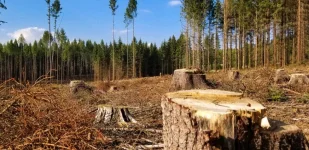
Zimbabwe's timber industry is facing a severe shortage of domestic supply, forcing companies to import wood from neighboring countries like South Africa. Timber expert Dr. Joseph Kanyekanye identified the core issues as a failure by local producers to replant harvested areas and a lack of investment in advanced manufacturing. He reported that approximately half of the land designated for timber remains unplanted, breaking the production value chain.
The country's focus remains on low-value products like logs and sawn timber, which suffer from significant material waste during processing. Dr. Kanyekanye advocated for a shift towards producing higher-value goods such as medium-density fibreboard, which Zimbabwe currently imports. He suggested establishing a central processing plant that could be supplied by out-grower schemes, similar to the sugarcane industry model. While some companies, like Wattle Company, are expanding into products like plywood, the broader industry is hampered by uncompetitive prices and dwindling local timber reserves.
The country's focus remains on low-value products like logs and sawn timber, which suffer from significant material waste during processing. Dr. Kanyekanye advocated for a shift towards producing higher-value goods such as medium-density fibreboard, which Zimbabwe currently imports. He suggested establishing a central processing plant that could be supplied by out-grower schemes, similar to the sugarcane industry model. While some companies, like Wattle Company, are expanding into products like plywood, the broader industry is hampered by uncompetitive prices and dwindling local timber reserves.