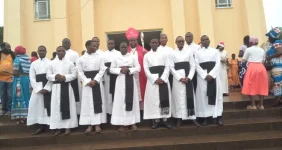
The church in Malawi needs a big bag of cash for its student priests. The Catholic Diocese of Zomba, led by Bishop Alfred Mateyu Chaima, needs around 43 million Malawian kwacha. This money is for thirty-three seminarians studying at Kasina, Kachebere, and St. Peter’s Major Seminary. The bishop made this announcement during a fundraising Mass at Zomba Cathedral. He pointed out that foreign funding from white donors has dried up. He told the local congregation that the diocese must now handle these costs itself.
Bishop Chaima pushed Christians to contribute from their own resources for this education. He applauded the community for already supporting their priests and sisters. The bishop also directed a message to the seminarians. He told them to study diligently to boost the number of priests in the Zomba Diocese. Andrew Usi, a committee representative, spoke after the service. He mentioned an immediate need for 21.5 million kwacha as the school year starts. He asked for generous donations from everyone present.
A priest named Fr. Egnacio Bokosi also gave some advice. He represented the local priests' chairperson. Bokosi urged the seminarians to stay focused on their goals despite any difficulties. The core idea is that the local community must now fill the financial gap itself. The diocese is fully responsible for funding its future clergy.
Bishop Chaima pushed Christians to contribute from their own resources for this education. He applauded the community for already supporting their priests and sisters. The bishop also directed a message to the seminarians. He told them to study diligently to boost the number of priests in the Zomba Diocese. Andrew Usi, a committee representative, spoke after the service. He mentioned an immediate need for 21.5 million kwacha as the school year starts. He asked for generous donations from everyone present.
A priest named Fr. Egnacio Bokosi also gave some advice. He represented the local priests' chairperson. Bokosi urged the seminarians to stay focused on their goals despite any difficulties. The core idea is that the local community must now fill the financial gap itself. The diocese is fully responsible for funding its future clergy.