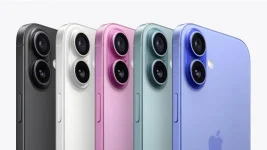
Apple broke its losing streak in China after two tough years of falling iPhone sales. The tech giant saw an 8 percent jump in sales between April and June compared to the same months last year. This marks the first time Apple gained ground in the Chinese market since mid-2023. The company used steep price cuts and government help to win back customers. Chinese shoppers snapped up iPhones during the big 618 shopping event.
Major online stores like JD.com and Tmall slashed iPhone 16 prices by 2,530 yuan, saving buyers about 351 dollars. Apple sweetened the deal with better trade-in offers for old phones. The government chipped in with subsidies up to 500 yuan for cheaper devices. Even Mac computers got discounts of 2,000 yuan under these programs. These moves helped Apple climb back up the sales charts.
Apple had been losing money in China since late 2022 because of tough rules and trade fights. Local phone makers like Huawei, Xiaomi, and Oppo kept making better devices that Chinese buyers loved. These homegrown brands improved their designs and features faster than Apple updated its phones. Government workers also faced limits on using iPhones at work. All these problems hurt Apple's business in its second-biggest market.
Huawei still leads China's phone market with 12 percent growth and grabbed the top spot. Vivo came second despite sales dropping 9 percent from last year. Apple landed in third place, which feels like a win after years of sliding down. China brings in one-fifth of Apple's total iPhone sales worldwide. The company will share its latest earnings numbers this month.
Major online stores like JD.com and Tmall slashed iPhone 16 prices by 2,530 yuan, saving buyers about 351 dollars. Apple sweetened the deal with better trade-in offers for old phones. The government chipped in with subsidies up to 500 yuan for cheaper devices. Even Mac computers got discounts of 2,000 yuan under these programs. These moves helped Apple climb back up the sales charts.
Apple had been losing money in China since late 2022 because of tough rules and trade fights. Local phone makers like Huawei, Xiaomi, and Oppo kept making better devices that Chinese buyers loved. These homegrown brands improved their designs and features faster than Apple updated its phones. Government workers also faced limits on using iPhones at work. All these problems hurt Apple's business in its second-biggest market.
Huawei still leads China's phone market with 12 percent growth and grabbed the top spot. Vivo came second despite sales dropping 9 percent from last year. Apple landed in third place, which feels like a win after years of sliding down. China brings in one-fifth of Apple's total iPhone sales worldwide. The company will share its latest earnings numbers this month.