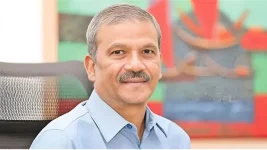
A legal scholar claims the country finally told a powerful neighbor to back off. Asif Nazrul argued that past aggressive influence from India previously muted national discourse, but now an independent voice exists. He made these comments during a policy talk in Dhaka organized by the Centre for Governance Studies. Nazrul defended the current administration against what he called excessive criticism while outlining several reforms.
He pointed to judicial changes giving the higher courts control over appointments and budgets. He called this a historic reform for the nation, noting such institutional shifts require time to solidify the rule of law. A commission investigating forced disappearances performed well, according to him, leading to a new human rights law he called the best in South Asia. Appointments to that commission are pending.
Legal system updates were also cited, including amendments to criminal and civil procedure codes. The government legal aid service reportedly became ten times more effective, attracting a large investment from BRAC for office renovations. The goal is to increase effectiveness twentyfold for public access. On cyber laws, he stated the updated act incorporated ninety percent of critics' demands, though he asked for patience regarding results.
Economically, he noted growing foreign reserves, controlled inflation, and restored banking discipline. Over twenty thousand politically charged cases against opposition figures were dropped. Responding to personal attacks, Nazrul denied owning property in the United States and labeled allegations as cyberbullying. On judicial matters, he highlighted that most bail decisions for ruling party affiliates come from the High Court.
He addressed speculation about advisers resigning, confirming that several considered quitting due to abuse and threats. The chief adviser urged collective perseverance on reforms. Nazrul concluded by calling for introspection across all societal institutions, expressing hope for national improvement within a decade if integrity guides the process.
He pointed to judicial changes giving the higher courts control over appointments and budgets. He called this a historic reform for the nation, noting such institutional shifts require time to solidify the rule of law. A commission investigating forced disappearances performed well, according to him, leading to a new human rights law he called the best in South Asia. Appointments to that commission are pending.
Legal system updates were also cited, including amendments to criminal and civil procedure codes. The government legal aid service reportedly became ten times more effective, attracting a large investment from BRAC for office renovations. The goal is to increase effectiveness twentyfold for public access. On cyber laws, he stated the updated act incorporated ninety percent of critics' demands, though he asked for patience regarding results.
Economically, he noted growing foreign reserves, controlled inflation, and restored banking discipline. Over twenty thousand politically charged cases against opposition figures were dropped. Responding to personal attacks, Nazrul denied owning property in the United States and labeled allegations as cyberbullying. On judicial matters, he highlighted that most bail decisions for ruling party affiliates come from the High Court.
He addressed speculation about advisers resigning, confirming that several considered quitting due to abuse and threats. The chief adviser urged collective perseverance on reforms. Nazrul concluded by calling for introspection across all societal institutions, expressing hope for national improvement within a decade if integrity guides the process.