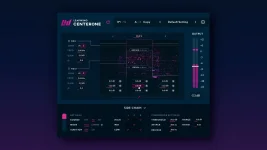
CenterOne 3 can use a DAW-fed external sidechain to compress selected Low, Mid, or High L/C/R regions instead of ducking the whole stereo signal. A lead vocal can therefore push back only the part of a stereo stem that is actually crowding it.
The useful bit is the target matrix. You choose which frequency band and which spatial component react, so a vocal can trigger reduction in the Mid/C area while the outer image keeps moving normally. It is a different job from simply lowering the instrumental every time the singer opens their mouth.
Start with the mix before reaching for dynamics. If a pad, piano, guitar, or percussion layer is constantly sitting on the vocal, leaving room for the vocal in the arrangement is usually cleaner than asking one processor to rescue the whole verse. CenterOne 3 is more interesting when the music already works, and the collision appears only on certain words, notes, or sections.
A vocal can sound perfectly readable over a sparse intro and then disappear when the chorus fills out. Cutting the same chunk from the instrumental for the entire song may fix the chorus while making the quieter sections feel hollow. Dynamic reduction is useful because the space only opens when the vocal actually asks for it.
Route the lead vocal to CenterOne 3's external sidechain input and switch the detector source to EXT. Use Audition before touching Threshold. If the key signal contains a bunch of noise, effects, breaths, or low-end junk you do not want controlling the move, the detector is already making the wrong decision.
FULL listens to the complete selected sidechain path. LIMITED gives you a more frequency-restricted detector and opens bandpass settings for narrowing what the compressor hears. LIMITED is handy when a bright vocal needs to trigger upper-mid space without every low note or breath pushing the same amount of reduction.
A sensible vocal setup often starts with Mid/C instead of every box enabled. Listen to the section where the vocal is most buried, then add only the regions needed to uncover it. If the vocal is fighting a centered synth in the upper mids, there is little reason to make the low L and R regions pump along with it.
Threshold decides when the processor wakes up, while Ratio decides how strongly it reacts after crossing that point. Attack controls how quickly the reduction arrives. Release decides how fast the music returns after the vocal falls back below threshold.
Range is the control people should probably reach for earlier. It caps the maximum gain reduction, so you can use a fairly assertive detector without letting one loud syllable punch a giant hole in the instrumental. A small cap often sounds more natural than endlessly chasing the perfect Threshold and Ratio pair.
Release is even easier to hear when it is wrong. Too fast and the background can chatter between syllables. Too slow and the mix stays pushed back after the singer has finished, which defeats the whole point of making temporary space.
Level-match the processed and unprocessed versions before judging the result. Louder usually wins a quick comparison, while cleaner usually wins after ten minutes. CenterOne 3 gives you A/B states, so use them to compare a conservative setup against a stronger one at similar output level.
Stop once the vocal reads clearly at normal listening volume. If the instrumental starts sounding smaller every time the singer appears, back off the Range, narrow the target matrix, or revisit LIMITED mode. A good external sidechain setup should feel almost boring when soloed as an effect because the useful result is the absence of a fight, not an obvious pumping trick.
The useful bit is the target matrix. You choose which frequency band and which spatial component react, so a vocal can trigger reduction in the Mid/C area while the outer image keeps moving normally. It is a different job from simply lowering the instrumental every time the singer opens their mouth.
Start with the mix before reaching for dynamics. If a pad, piano, guitar, or percussion layer is constantly sitting on the vocal, leaving room for the vocal in the arrangement is usually cleaner than asking one processor to rescue the whole verse. CenterOne 3 is more interesting when the music already works, and the collision appears only on certain words, notes, or sections.
The sidechain only helps after the arrangement makes sense
Masking is not one fixed frequency problem. In controlled listening tests, speech masking by music changed with the octave and speed of a piano masker, which is a good reminder that register and timing matter before any compressor setting does.A vocal can sound perfectly readable over a sparse intro and then disappear when the chorus fills out. Cutting the same chunk from the instrumental for the entire song may fix the chorus while making the quieter sections feel hollow. Dynamic reduction is useful because the space only opens when the vocal actually asks for it.
Route the lead vocal to CenterOne 3's external sidechain input and switch the detector source to EXT. Use Audition before touching Threshold. If the key signal contains a bunch of noise, effects, breaths, or low-end junk you do not want controlling the move, the detector is already making the wrong decision.
FULL listens to the complete selected sidechain path. LIMITED gives you a more frequency-restricted detector and opens bandpass settings for narrowing what the compressor hears. LIMITED is handy when a bright vocal needs to trigger upper-mid space without every low note or breath pushing the same amount of reduction.
The target matrix keeps the rest of the mix out of it
The matrix is where CenterOne 3 phantom center control becomes more useful than ordinary broadband ducking. High, Mid, and Low rows intersect with L, C, and R columns, so you can decide exactly where the compressor is allowed to work.A sensible vocal setup often starts with Mid/C instead of every box enabled. Listen to the section where the vocal is most buried, then add only the regions needed to uncover it. If the vocal is fighting a centered synth in the upper mids, there is little reason to make the low L and R regions pump along with it.
Threshold decides when the processor wakes up, while Ratio decides how strongly it reacts after crossing that point. Attack controls how quickly the reduction arrives. Release decides how fast the music returns after the vocal falls back below threshold.
Range is the control people should probably reach for earlier. It caps the maximum gain reduction, so you can use a fairly assertive detector without letting one loud syllable punch a giant hole in the instrumental. A small cap often sounds more natural than endlessly chasing the perfect Threshold and Ratio pair.
Timing decides whether the ducking disappears or announces itself
Fast attack can clear consonants quickly, but it can also make the music flinch at the start of every phrase. Slower attack lets more of the instrumental transient through. Neither is automatically better, so set it against the actual vocal delivery instead of copying compressor numbers from another session.Release is even easier to hear when it is wrong. Too fast and the background can chatter between syllables. Too slow and the mix stays pushed back after the singer has finished, which defeats the whole point of making temporary space.
Level-match the processed and unprocessed versions before judging the result. Louder usually wins a quick comparison, while cleaner usually wins after ten minutes. CenterOne 3 gives you A/B states, so use them to compare a conservative setup against a stronger one at similar output level.
Stop once the vocal reads clearly at normal listening volume. If the instrumental starts sounding smaller every time the singer appears, back off the Range, narrow the target matrix, or revisit LIMITED mode. A good external sidechain setup should feel almost boring when soloed as an effect because the useful result is the absence of a fight, not an obvious pumping trick.