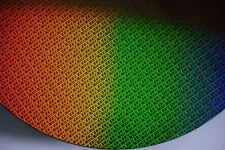
Intel faces delays with its 18A manufacturing process as yield rates remain insufficient for mass production. Hankyung reports that internal company sources indicate high-volume manufacturing may shift to 2026 rather than the current timeline. The semiconductor manufacturer originally planned to produce Panther Lake laptop processors using this technology by year end.
Current yield rates hover between 55 and 65 percent according to industry observations. CEO Lip-Bu Tan refuses to proceed with substandard production rates despite these figures. The company historically accepted lower yields for mass manufacturing, which resulted in operating losses and inferior products.
Intel targets external customers while improving internal processor development through enhanced manufacturing standards. The foundry division experiences uncertainty amid broader economic challenges facing the technology sector. Management pursues breakthrough performance by implementing strict quality requirements rather than rushing products to market with inadequate yields.
Current yield rates hover between 55 and 65 percent according to industry observations. CEO Lip-Bu Tan refuses to proceed with substandard production rates despite these figures. The company historically accepted lower yields for mass manufacturing, which resulted in operating losses and inferior products.
Intel targets external customers while improving internal processor development through enhanced manufacturing standards. The foundry division experiences uncertainty amid broader economic challenges facing the technology sector. Management pursues breakthrough performance by implementing strict quality requirements rather than rushing products to market with inadequate yields.