CES is looking rough for gamers this year because of a memory shortage. The big three chip companies, NVIDIA, Intel, and AMD, are all navigating major supply problems with DRAM and GDDR7, which is messing up plans and raising prices. NVIDIA might skip new gaming GPUs like the RTX 50 SUPER series at the show to focus on AI, talking up its Blackwell Ultra and Rubin architectures instead. Intel is pushing its new Core Ultra 300 Panther Lake laptop CPUs built on its 18A process and might show a mid-tier Arc B770 Battlemage GPU. AMD will highlight its next-gen Gorgon Point Ryzen AI 400 APUs and Zen 5 X3D refresh desktop chips, but has no new Radeon cards planned.
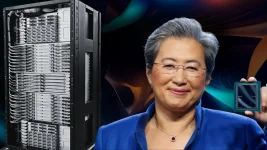
The overall vibe is a pivot toward AI and data center stuff, even at a traditionally consumer-focused event. NVIDIA's keynote with Jensen Huang will likely center on AI clusters and partnerships, like the one with Groq. Intel will detail its 18A foundry progress and could show its Crescent Island Xe3 inference GPU. AMD under Lisa Su is expected to preview its Instinct MI400 accelerators and give updates on next-gen EPYC Zen 6 Venice server CPUs. These moves highlight how these companies are chasing the lucrative AI market, potentially at the expense of splashy new gaming hardware reveals for PC builders.
For actual consumer tech, the pickings seem thinner than usual. Gamers hoping for a new NVIDIA graphics card or a fresh AMD Radeon will probably leave disappointed, with both firms relying on existing GPU lines. Intel appears to be the most consumer-focused, with its Panther Lake launch for laptops and a possible Arc GPU announcement. The memory shortage is the ghost in the machine, causing delays and pushing firms to prioritize their most profitable segments, which increasingly is not the mainstream PC gaming crowd.
The overall vibe is a pivot toward AI and data center stuff, even at a traditionally consumer-focused event. NVIDIA's keynote with Jensen Huang will likely center on AI clusters and partnerships, like the one with Groq. Intel will detail its 18A foundry progress and could show its Crescent Island Xe3 inference GPU. AMD under Lisa Su is expected to preview its Instinct MI400 accelerators and give updates on next-gen EPYC Zen 6 Venice server CPUs. These moves highlight how these companies are chasing the lucrative AI market, potentially at the expense of splashy new gaming hardware reveals for PC builders.
For actual consumer tech, the pickings seem thinner than usual. Gamers hoping for a new NVIDIA graphics card or a fresh AMD Radeon will probably leave disappointed, with both firms relying on existing GPU lines. Intel appears to be the most consumer-focused, with its Panther Lake launch for laptops and a possible Arc GPU announcement. The memory shortage is the ghost in the machine, causing delays and pushing firms to prioritize their most profitable segments, which increasingly is not the mainstream PC gaming crowd.