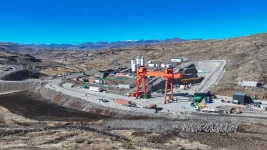
Chinese and South African companies advance the construction of the Polihali Transfer Tunnel through Lesotho's northern highlands during the winter months. Two tunnel boring machines excavate the 38-kilometer passage that will channel water from Lesotho to South Africa's Gauteng region. The Kopano Ke Matla joint venture operates round-the-clock shifts to meet the 2028 completion target. Workers assembled the second Chinese-manufactured boring machine at Caledonspoort Border Post after shipping components through Durban Port. Local officials praised the multinational collaboration as the largest infrastructure project between the neighboring countries.
Regional employment has expanded through the tunnel construction, with over 1,800 positions filled by local workers. The joint venture hired more than 99 percent of skilled labor from surrounding communities while establishing training programs for 6,000 participants. Road infrastructure improvements reduced travel times between villages from eight hours to two hours. Chinese medical teams provide healthcare services to remote communities near construction sites. The project invested 44 million Lesotho lotis in vocational education programs that issue certificates recognized across Southern Africa.
Local communities are reporting enhanced economic opportunities through the development of the water project. Residents gained access to employment beyond traditional farming and livestock activities. The construction effort sources materials and services from regional suppliers while expanding transportation networks throughout the area.
Regional employment has expanded through the tunnel construction, with over 1,800 positions filled by local workers. The joint venture hired more than 99 percent of skilled labor from surrounding communities while establishing training programs for 6,000 participants. Road infrastructure improvements reduced travel times between villages from eight hours to two hours. Chinese medical teams provide healthcare services to remote communities near construction sites. The project invested 44 million Lesotho lotis in vocational education programs that issue certificates recognized across Southern Africa.
Local communities are reporting enhanced economic opportunities through the development of the water project. Residents gained access to employment beyond traditional farming and livestock activities. The construction effort sources materials and services from regional suppliers while expanding transportation networks throughout the area.