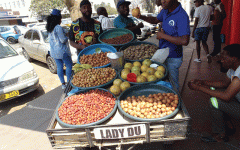
Climate change threatens Zimbabwe's wild fruit trees that communities have depended on for generations. Rising temperatures and less rainfall make it harder for native species to survive. Trees that once produced fruit every season are dying or giving much smaller harvests. Local people notice the changes happening across Matabeleland region.
Research shows temperatures rose about 0.8 degrees over 40 years from 1974 to 2014. Scientists found rainfall patterns shifted during the same period. Wild fruits like umviyo and umqokolo that grew well in dry conditions struggle to adapt. Some species have disappeared completely from areas where they used to thrive.
Communities lose important food sources as trees fail to produce normal crops. Wild fruits provide nutrition when regular crops fail during droughts. People also use these plants as medicine for health problems. The taste and texture of remaining fruits have changed because trees get less water.
Human activities make the problem worse for struggling trees. People cut down forests and harvest too many fruits before trees can replace themselves. Population growth puts more pressure on natural resources. Forest fires destroy young trees before they mature.
Local governments work to protect remaining wild fruit trees through new laws. Binga Rural District Council created rules to manage forest products better. Training programs teach farmers how to grow native trees alongside regular crops. Officials encourage people to save important species when clearing land for farming.
Research shows temperatures rose about 0.8 degrees over 40 years from 1974 to 2014. Scientists found rainfall patterns shifted during the same period. Wild fruits like umviyo and umqokolo that grew well in dry conditions struggle to adapt. Some species have disappeared completely from areas where they used to thrive.
Communities lose important food sources as trees fail to produce normal crops. Wild fruits provide nutrition when regular crops fail during droughts. People also use these plants as medicine for health problems. The taste and texture of remaining fruits have changed because trees get less water.
Human activities make the problem worse for struggling trees. People cut down forests and harvest too many fruits before trees can replace themselves. Population growth puts more pressure on natural resources. Forest fires destroy young trees before they mature.
Local governments work to protect remaining wild fruit trees through new laws. Binga Rural District Council created rules to manage forest products better. Training programs teach farmers how to grow native trees alongside regular crops. Officials encourage people to save important species when clearing land for farming.