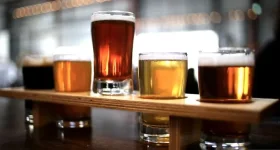
Climate Change Threatens Beer's Traditional Flavors.
Beer speaks to all our senses—from its fizzy sound to its hoppy scent. However, this beloved drink faces new challenges as global warming affects its key ingredients.
"Beer combines bitter and sweet notes that make you want another sip," says Mirek Trnka from the Czech Republic's Global Change Research Institute Academy of Sciences.
Three main ingredients create beer's distinct taste: hops, yeast, and malted barley. Climate change threatens both barley and hops production. Research shows noble hops - traditional varieties brewers rely on - will become harder to grow.
In Europe's main growing regions, noble hop production has fallen 20% since the 1970s. Alpha acids give beer its bitter taste, and studies predict these acids will drop 31% by 2050.
Beer's history runs deep in human culture. Ancient societies from China to the Americas made grain-based alcohol. Archaeological evidence shows beer production on every continent in the ancient world.
Early farmers discovered that fermented grain created intoxicating drinks. Beer served as a social connector then, just as it does in today's bars and pubs.
Medieval brewers first added hops as a preservative. "Hops prevented beer from turning sour," explains Thomas Shellhammer, professor at Oregon State University.
Roasting the dried kernels determines the beer's color and taste. Longer roasts produce darker, richer flavors.
The process continues with milling and mashing the barley. Brewers then boil it with dried hops and cool the mixture. They add yeast for fermentation, which takes several weeks.
Modern brewing methods emerged after the Industrial Revolution. The new equipment allowed for lighter, hoppy lagers. These became popular in Central Europe, especially in today's Czech Republic, Slovakia, and Germany.
By 2050, noble hop yields may fall 18.4% compared to recent decades. Alpha acid levels face similar declines due to heat and drought.
Farmers have several options to protect crops. They can move hop fields near water sources, add irrigation, or switch to harder varieties. These tactics have helped winemakers face similar challenges.
Beer makers have one advantage over wine producers: They can adjust multiple ingredients—yeast, malt, and hops—to maintain desired flavors.
American craft brewers often use multiple hop varieties in their beers. This practice helps them adjust to changing crop yields. Traditional German brewers prefer consistency, making them hesitant to adopt new varieties.
Christian Ettinger of Hopworks Urban Brewery in Portland says typical beers contain two to five hop varieties. This allows recipe adjustments when yields change.
Water scarcity drives up hop prices in the United States. Farmers combat this through sustainable methods like cover cropping and adding biochar to soil. These practices improve water retention and reduce costs.
American consumers show interest in "fresh hop beers," which showcase each year's unique harvest. Whether people embrace new flavors or stick with traditional lagers, beer production will continue. The drink that has united people for millennia will adapt to changing times.
Beer speaks to all our senses—from its fizzy sound to its hoppy scent. However, this beloved drink faces new challenges as global warming affects its key ingredients.
"Beer combines bitter and sweet notes that make you want another sip," says Mirek Trnka from the Czech Republic's Global Change Research Institute Academy of Sciences.
Three main ingredients create beer's distinct taste: hops, yeast, and malted barley. Climate change threatens both barley and hops production. Research shows noble hops - traditional varieties brewers rely on - will become harder to grow.
In Europe's main growing regions, noble hop production has fallen 20% since the 1970s. Alpha acids give beer its bitter taste, and studies predict these acids will drop 31% by 2050.
Beer's history runs deep in human culture. Ancient societies from China to the Americas made grain-based alcohol. Archaeological evidence shows beer production on every continent in the ancient world.
Early farmers discovered that fermented grain created intoxicating drinks. Beer served as a social connector then, just as it does in today's bars and pubs.
Medieval brewers first added hops as a preservative. "Hops prevented beer from turning sour," explains Thomas Shellhammer, professor at Oregon State University.
The Beer-Making Process
Beer requires four basic ingredients: water, malted barley, yeast, and hops. Makers soak barley kernels in water until they sprout, creating sugars needed for flavor and fermentation.Roasting the dried kernels determines the beer's color and taste. Longer roasts produce darker, richer flavors.
The process continues with milling and mashing the barley. Brewers then boil it with dried hops and cool the mixture. They add yeast for fermentation, which takes several weeks.
Modern brewing methods emerged after the Industrial Revolution. The new equipment allowed for lighter, hoppy lagers. These became popular in Central Europe, especially in today's Czech Republic, Slovakia, and Germany.
Climate Impact
Rising temperatures have shifted the growing seasons. In Germany and the Czech Republic, the season starts 13 days earlier than in 1970, and harvest times have moved up 20 days.By 2050, noble hop yields may fall 18.4% compared to recent decades. Alpha acid levels face similar declines due to heat and drought.
Farmers have several options to protect crops. They can move hop fields near water sources, add irrigation, or switch to harder varieties. These tactics have helped winemakers face similar challenges.
Beer makers have one advantage over wine producers: They can adjust multiple ingredients—yeast, malt, and hops—to maintain desired flavors.
Adaptation Challenges
Adding irrigation systems costs money, and many European farms lack this equipment. Changing hop varieties presents another hurdle. Hop plants stay in the ground year after year, making replacement difficult.American craft brewers often use multiple hop varieties in their beers. This practice helps them adjust to changing crop yields. Traditional German brewers prefer consistency, making them hesitant to adopt new varieties.
Christian Ettinger of Hopworks Urban Brewery in Portland says typical beers contain two to five hop varieties. This allows recipe adjustments when yields change.
Water scarcity drives up hop prices in the United States. Farmers combat this through sustainable methods like cover cropping and adding biochar to soil. These practices improve water retention and reduce costs.
American consumers show interest in "fresh hop beers," which showcase each year's unique harvest. Whether people embrace new flavors or stick with traditional lagers, beer production will continue. The drink that has united people for millennia will adapt to changing times.