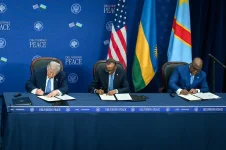
The so-called Washington Accord between the DRC and Rwanda is getting a lot of hype. The deal, signed in the US capital, commits Rwanda to pulling its troops out of eastern Congo and stopping support for armed groups within ninety days. It also sets up a joint security mechanism and a new framework for regional economic integration around minerals and investment. Regional leaders and international bodies are calling it a potential game-changer.
But anyone with a memory knows to be skeptical. The core drivers of the conflict—like totally broken local governance, deep public mistrust, and unchecked armed factions like M23, who weren't even at the table—are barely addressed. Focusing on mineral supply chains to attract Western investment might just swap one set of extractive elites for another, especially with China already deeply embedded in the mining sector. The real red flag is how the deal was made. It mostly involved political elites, sidelining the civil society groups and local communities that actually live with the violence. This top-down approach risks making the peace feel illegitimate on the ground, which is basically an invitation for spoilers to wreck the whole thing later. For this to last, it needs to build real legitimacy by including those communities and tackling the daily insecurity people face, not just moving soldiers on a map. Without that foundation, it is just another piece of paper.
But anyone with a memory knows to be skeptical. The core drivers of the conflict—like totally broken local governance, deep public mistrust, and unchecked armed factions like M23, who weren't even at the table—are barely addressed. Focusing on mineral supply chains to attract Western investment might just swap one set of extractive elites for another, especially with China already deeply embedded in the mining sector. The real red flag is how the deal was made. It mostly involved political elites, sidelining the civil society groups and local communities that actually live with the violence. This top-down approach risks making the peace feel illegitimate on the ground, which is basically an invitation for spoilers to wreck the whole thing later. For this to last, it needs to build real legitimacy by including those communities and tackling the daily insecurity people face, not just moving soldiers on a map. Without that foundation, it is just another piece of paper.