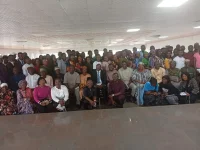
Search for Common Ground organized a documentary screening in Jalingo that brought together students from multiple tertiary institutions across Taraba State. The organization presented Bridging the Abyss at Shield Hotel on Monday with financial backing from the Dutch Ministry of Foreign Affairs. Officials used the gathering to encourage citizens throughout Nigeria and Taraba State to document instances where authorities or individuals violate their religious liberty. The event targeted university students as primary ambassadors for spreading awareness about constitutional protections for faith-based practices. Participants received information about reporting mechanisms designed to address religious discrimination and persecution.
Katlong Dasat from Search for Common Ground emphasized that international law recognizes freedom of religion and belief as an inalienable human right. The senior media officer noted that millions of people worldwide continue experiencing harassment and violence due to their spiritual convictions. Project Manager Gaius Dachet connected religious liberty protections to broader goals of maintaining peace and security throughout communities. He argued that safeguarding these fundamental rights could prevent conflicts from developing across Taraba State and other Nigerian regions. Dachet stressed that sustainable development requires respect for diverse religious perspectives.
The organization established a confidential toll-free telephone service for reporting violations at 0800-000-2233. Students attending the screening committed to sharing their newfound knowledge with classmates and community members. University lecturers serving as panelists encouraged participants to become active advocates for religious tolerance within their respective academic and social environments. The initiative represents part of broader efforts to strengthen human rights protections and foster peaceful coexistence among different faith communities across Nigeria.
Katlong Dasat from Search for Common Ground emphasized that international law recognizes freedom of religion and belief as an inalienable human right. The senior media officer noted that millions of people worldwide continue experiencing harassment and violence due to their spiritual convictions. Project Manager Gaius Dachet connected religious liberty protections to broader goals of maintaining peace and security throughout communities. He argued that safeguarding these fundamental rights could prevent conflicts from developing across Taraba State and other Nigerian regions. Dachet stressed that sustainable development requires respect for diverse religious perspectives.
The organization established a confidential toll-free telephone service for reporting violations at 0800-000-2233. Students attending the screening committed to sharing their newfound knowledge with classmates and community members. University lecturers serving as panelists encouraged participants to become active advocates for religious tolerance within their respective academic and social environments. The initiative represents part of broader efforts to strengthen human rights protections and foster peaceful coexistence among different faith communities across Nigeria.