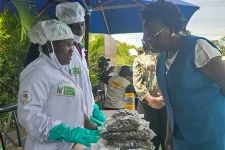
Women and young people trading fish across borders say unfair barriers are crippling their business, especially for reaching the key market in the Democratic Republic of Congo. During a meeting in Jinja, traders from Uganda and Kenya urged their governments and the DRC to align policies for safer and more equitable trade. They cited major problems like lengthy impoundments of perishable fish at borders like Mpondwe, causing heavy losses, along with high costs for multiple licenses.
Government officials acknowledged the tension between trade facilitation and conservation. A trade commissioner noted that irresponsible fishing practices, like using illegal twine nets, crashed the number of processing plants from twenty to under five. A fisheries commissioner emphasized that regional agreements mandate seizing immature fish. In response, stakeholders launched a project called WYEEFIMA, led by Kilimo Trust, to improve market access and information sharing. Participants called for investments in cold storage at borders and landing sites to reduce spoilage and boost profits for these vulnerable groups.
Government officials acknowledged the tension between trade facilitation and conservation. A trade commissioner noted that irresponsible fishing practices, like using illegal twine nets, crashed the number of processing plants from twenty to under five. A fisheries commissioner emphasized that regional agreements mandate seizing immature fish. In response, stakeholders launched a project called WYEEFIMA, led by Kilimo Trust, to improve market access and information sharing. Participants called for investments in cold storage at borders and landing sites to reduce spoilage and boost profits for these vulnerable groups.