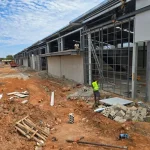
An almost finished agro hub could transform local food production in The Gambia. Construction of the country's first purpose-built Agro Industrial Hub nears completion. The Gach Group developed the facility as an integrated manufacturing and processing ecosystem. Fourteen modern units will host the production of juices, ketchup, vinegar, and similar goods.
Project Chairman Abubkary Jawara cited years of experience in local processing as inspiration. He described the hub as combining manufacturing, services, and distribution. Its goal remains adding value to local produce and reducing import dependence. Shared infrastructure includes solar power systems and a high-pressure fire suppression network.
A large administrative block contains retail outlet stores and office spaces for manufacturers. Additional facilities include restaurants, a prayer room, a bank, and a pharmacy. Eleven accommodation units will house technical and managerial staff. The setup aims for operational efficiency for all businesses located there.
Strengthening the agricultural value chain is a primary objective. The hub should increase local processing and reduce post harvest losses for farmers. Employment will be generated in manufacturing, administration, retail, and logistics. Indirect jobs across supply chains are also anticipated.
Once operational, the hub will serve as a national model for agro-industrial development. It demonstrates how targeted infrastructure can stimulate local production and economic growth. The initiative aims to create sustainable jobs while stabilizing markets for agricultural producers.
Project Chairman Abubkary Jawara cited years of experience in local processing as inspiration. He described the hub as combining manufacturing, services, and distribution. Its goal remains adding value to local produce and reducing import dependence. Shared infrastructure includes solar power systems and a high-pressure fire suppression network.
A large administrative block contains retail outlet stores and office spaces for manufacturers. Additional facilities include restaurants, a prayer room, a bank, and a pharmacy. Eleven accommodation units will house technical and managerial staff. The setup aims for operational efficiency for all businesses located there.
Strengthening the agricultural value chain is a primary objective. The hub should increase local processing and reduce post harvest losses for farmers. Employment will be generated in manufacturing, administration, retail, and logistics. Indirect jobs across supply chains are also anticipated.
Once operational, the hub will serve as a national model for agro-industrial development. It demonstrates how targeted infrastructure can stimulate local production and economic growth. The initiative aims to create sustainable jobs while stabilizing markets for agricultural producers.