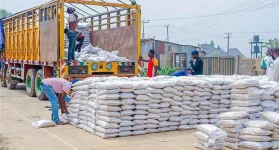
Ghana spends over 3.5 billion dollars buying food from other countries each year. The nation imports tomatoes from Burkina Faso, onions from Mali, rice from Vietnam and frozen chicken from Brazil. These foreign products often cost less than local food but create serious problems for Ghana's farmers and economy.
Africa imports about 50 billion dollars worth of food annually with projections reaching 110 billion dollars within the next few years. Ghana produces quality rice and raises chickens but imported versions fill most store shelves. Local poultry farmers once supplied 90 percent of chicken demand but foreign meat dominates 80 percent of the market today.
Cheap imports destroy local farming jobs and weaken rural communities. Young people leave agriculture when they cannot compete with subsidized foreign products. The country loses foreign currency reserves buying food instead of investing money in domestic industries. Global supply chain disruptions cause sudden shortages and price spikes.
Ghana grows plenty of tomatoes but still imports tomato paste from other nations. Post-harvest losses waste up to 40 percent of crops because storage and transport systems fail farmers. Local rice faces packaging and marketing challenges that prevent it from competing with imported varieties. Better processing facilities and cold storage systems could help domestic producers succeed.
The government needs real-time data tracking what Ghana grows, imports and consumes. Modernized agricultural clusters with shared research labs and quality control centers would support local food businesses. Trade policies should protect nutrition goals and rural employment rather than encouraging processed imports.
Africa imports about 50 billion dollars worth of food annually with projections reaching 110 billion dollars within the next few years. Ghana produces quality rice and raises chickens but imported versions fill most store shelves. Local poultry farmers once supplied 90 percent of chicken demand but foreign meat dominates 80 percent of the market today.
Cheap imports destroy local farming jobs and weaken rural communities. Young people leave agriculture when they cannot compete with subsidized foreign products. The country loses foreign currency reserves buying food instead of investing money in domestic industries. Global supply chain disruptions cause sudden shortages and price spikes.
Ghana grows plenty of tomatoes but still imports tomato paste from other nations. Post-harvest losses waste up to 40 percent of crops because storage and transport systems fail farmers. Local rice faces packaging and marketing challenges that prevent it from competing with imported varieties. Better processing facilities and cold storage systems could help domestic producers succeed.
The government needs real-time data tracking what Ghana grows, imports and consumes. Modernized agricultural clusters with shared research labs and quality control centers would support local food businesses. Trade policies should protect nutrition goals and rural employment rather than encouraging processed imports.