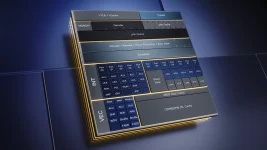
Intel plans to abandon its current processor design strategy and adopt a unified core platform approach for future CPU generations. The company will emphasize P-cores over E-cores as Arctic Wolf E-cores deliver modest performance improvements compared to previous Skymont designs. Chinese engineering sources reveal that Arctic Wolf represents the final E-core generation before teams develop larger unified cores. Nova Lake processors will integrate AVX-10 instruction sets and APX extensions to boost vector performance across all core types. Intel expects the Arctic Wolf architecture to serve as the foundation for upcoming P-core designs.
The semiconductor giant faces pressure to implement significant changes after disappointing Arrow Lake desktop processor performance. Engineers suggest combining P-core and E-core architectures into a single platform following the Razer Lake release. This unified approach promises simplified chip design processes and reduced silicon complexity compared to current hybrid arrangements. Intel previously used unified platforms before introducing the Alder Lake architecture. The company seeks competitive advantages through architectural advancements rather than maintaining separate core development paths.
The semiconductor giant faces pressure to implement significant changes after disappointing Arrow Lake desktop processor performance. Engineers suggest combining P-core and E-core architectures into a single platform following the Razer Lake release. This unified approach promises simplified chip design processes and reduced silicon complexity compared to current hybrid arrangements. Intel previously used unified platforms before introducing the Alder Lake architecture. The company seeks competitive advantages through architectural advancements rather than maintaining separate core development paths.