American foreign policy reflects a consistent pattern of realism across administrations, where nations pursue power and influence through strategic calculation rather than moral imperatives. Past presidents balanced global leadership with national interests, as seen in key historical moments like the World War II alliance with Stalin's Soviet Union against Nazi Germany.
The United States engaged in strategic interventions throughout the Cold War, supporting authoritarian leaders when they helped contain Soviet influence. This approach continued into the post-Cold War era, exemplified by the 1991 Gulf War, which aimed to prevent Iraqi dominance of Persian Gulf oil resources rather than purely humanitarian concerns.
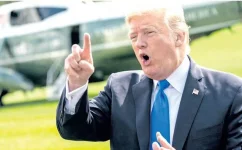
Barack Obama's presidency maintained this realist tradition through selective military engagements in Libya and Syria and a strategic focus on Asia. Donald Trump's administration marked a shift toward a more direct pursuit of national interests, reducing foreign aid and pressing NATO allies for increased defense spending.
Trump's cuts to foreign aid programs align with realist principles of protecting national resources. Yet traditional realists argue these moves risk American influence by creating opportunities for China and Russia to expand their global reach. The suspension of U.S. support for international security missions has sparked debate about Kenya's involvement in Haiti.
Kenya's Haiti mission serves both humanitarian and strategic purposes, enhancing its global security role and diplomatic influence. Despite U.S. funding changes, Kenya maintains options through support from Canada, France, Caribbean nations, the African Union, and the UN. The mission provides valuable combat experience for Kenya's forces and strengthens its international standing.
President William Ruto's focus on domestic revenue generation and reduced external borrowing demonstrates foresight amid declining foreign aid. Kenya's efforts to improve tax collection and decrease dependency on international loans reflect a pragmatic understanding of global political dynamics.
The path forward for Kenya involves building diverse partnerships and developing self-sustaining financial systems. This approach enables Kenya to protect its interests and grow its role in global security affairs independently of U.S. support. By strengthening domestic revenue sources, Kenya can shape its international position regardless of major power decisions.
Kenya's strategy mirrors historical patterns where nations succeed by understanding power dynamics, building varied alliances, and pursuing their interests independently. This approach positions Kenya to maintain its global security commitments and diplomatic influence through self-determined action rather than reliance on external support.
The United States engaged in strategic interventions throughout the Cold War, supporting authoritarian leaders when they helped contain Soviet influence. This approach continued into the post-Cold War era, exemplified by the 1991 Gulf War, which aimed to prevent Iraqi dominance of Persian Gulf oil resources rather than purely humanitarian concerns.
Barack Obama's presidency maintained this realist tradition through selective military engagements in Libya and Syria and a strategic focus on Asia. Donald Trump's administration marked a shift toward a more direct pursuit of national interests, reducing foreign aid and pressing NATO allies for increased defense spending.
Trump's cuts to foreign aid programs align with realist principles of protecting national resources. Yet traditional realists argue these moves risk American influence by creating opportunities for China and Russia to expand their global reach. The suspension of U.S. support for international security missions has sparked debate about Kenya's involvement in Haiti.
Kenya's Haiti mission serves both humanitarian and strategic purposes, enhancing its global security role and diplomatic influence. Despite U.S. funding changes, Kenya maintains options through support from Canada, France, Caribbean nations, the African Union, and the UN. The mission provides valuable combat experience for Kenya's forces and strengthens its international standing.
President William Ruto's focus on domestic revenue generation and reduced external borrowing demonstrates foresight amid declining foreign aid. Kenya's efforts to improve tax collection and decrease dependency on international loans reflect a pragmatic understanding of global political dynamics.
The path forward for Kenya involves building diverse partnerships and developing self-sustaining financial systems. This approach enables Kenya to protect its interests and grow its role in global security affairs independently of U.S. support. By strengthening domestic revenue sources, Kenya can shape its international position regardless of major power decisions.
Kenya's strategy mirrors historical patterns where nations succeed by understanding power dynamics, building varied alliances, and pursuing their interests independently. This approach positions Kenya to maintain its global security commitments and diplomatic influence through self-determined action rather than reliance on external support.