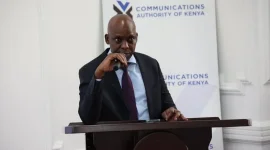
Kenya's communications regulator ordered television and radio stations to stop showing live protest coverage on Wednesday. The Communications Authority of Kenya cited constitutional provisions and communications law as reasons for the ban. Officials said live broadcasts might encourage violence during demonstrations marking the anniversary of deadly protests. The regulator pointed to rules that limit speech promoting hatred or threatening public safety. Media companies must follow the order or face heavy fines and possible license cancellation.
The directive targets protests remembering events from June 25, 2024 when demonstrators opposed new tax laws. Authorities worry that real-time coverage could spark more unrest across the country. Constitutional rules allow people to access information but not when it endangers national security or public order. The communications law gives the regulator power to control broadcasts that threaten public safety or stability. Officials frame live reporting as a possible trigger for violence during large gatherings.
Critics argue the ban limits democratic oversight and hands control of information to government officials. Live broadcasts let citizens watch events unfold and judge how police handle protesters. The restriction forces people to rely on edited news reports instead of seeing events as they happen. Media organizations that ignore the order risk losing their broadcasting licenses or paying substantial fines. The decision creates tension between maintaining public order and protecting the public's right to immediate information about important events.
The directive targets protests remembering events from June 25, 2024 when demonstrators opposed new tax laws. Authorities worry that real-time coverage could spark more unrest across the country. Constitutional rules allow people to access information but not when it endangers national security or public order. The communications law gives the regulator power to control broadcasts that threaten public safety or stability. Officials frame live reporting as a possible trigger for violence during large gatherings.
Critics argue the ban limits democratic oversight and hands control of information to government officials. Live broadcasts let citizens watch events unfold and judge how police handle protesters. The restriction forces people to rely on edited news reports instead of seeing events as they happen. Media organizations that ignore the order risk losing their broadcasting licenses or paying substantial fines. The decision creates tension between maintaining public order and protecting the public's right to immediate information about important events.