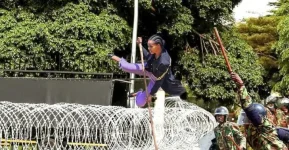
Kenya shut down three major television stations Wednesday during nationwide protests. The Communications Authority ordered KTN News, NTV and Citizen TV to stop broadcasting live coverage of demonstrations. Officials said the coverage broke constitutional rules and communication laws. The shutdown happened as thousands marched through cities marking one year since deadly protests against tax increases. At least 10 people needed hospital treatment after clashes with police.
Television networks moved their coverage to online platforms after losing their broadcast signals. KTN News continued reporting through YouTube, Facebook and Twitter accounts. Standard Group and Nation Media Group both called the shutdown illegal and promised court challenges. Royal Media Services also confirmed Citizen TV went dark during the demonstrations. All three companies redirected viewers to digital platforms for continued news coverage.
Protesters filled streets across Kenya demanding action against corruption and economic problems. Demonstrators blocked highways near Naivasha and lit fires during their march. Police closed roads around Parliament and government buildings with razor wire barriers. Cities affected span from Nairobi and Mombasa to Eldoret and 15 other counties. Crowds waved Kenyan flags and chanted slogans against government policies.
Media freedom groups argue the Communications Authority exceeded its legal powers. Recent court decisions state that content regulation belongs to the Media Council of Kenya instead. Legal experts expect broadcasters will file lawsuits challenging the shutdown order. The case could create important precedents for press freedom rights. Millions of Kenyans turned to social media and streaming services for protest updates despite the broadcast ban.
Television networks moved their coverage to online platforms after losing their broadcast signals. KTN News continued reporting through YouTube, Facebook and Twitter accounts. Standard Group and Nation Media Group both called the shutdown illegal and promised court challenges. Royal Media Services also confirmed Citizen TV went dark during the demonstrations. All three companies redirected viewers to digital platforms for continued news coverage.
Protesters filled streets across Kenya demanding action against corruption and economic problems. Demonstrators blocked highways near Naivasha and lit fires during their march. Police closed roads around Parliament and government buildings with razor wire barriers. Cities affected span from Nairobi and Mombasa to Eldoret and 15 other counties. Crowds waved Kenyan flags and chanted slogans against government policies.
Media freedom groups argue the Communications Authority exceeded its legal powers. Recent court decisions state that content regulation belongs to the Media Council of Kenya instead. Legal experts expect broadcasters will file lawsuits challenging the shutdown order. The case could create important precedents for press freedom rights. Millions of Kenyans turned to social media and streaming services for protest updates despite the broadcast ban.