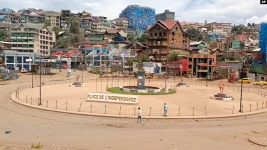
A bombing attack killed 11 people and injured 65 others at a political gathering organized by M23 rebel leaders in Bukavu City, eastern Democratic Republic of Congo, on Thursday. The explosions occurred shortly after key rebel figures had left the venue.
M23 leadership members Corneille Nangaa Yubeluo and Bertrand Bisimwa had arranged the public event at Place de l'Indépendance grounds. They intended to mark their ten-day control of the city and reassure residents about security matters. Hundreds of local citizens attended the gathering.
The explosives detonated minutes after Nangaa and Bisimwa departed from the scene. Several attendees died immediately, forcing the crowd to scatter quickly from the location. Emergency responders transported wounded individuals to nearby medical facilities.
Following these events, the M23 political spokesperson Lawrence Kanyuka issued statements expressing sympathy for victims and condemning the violence. He pointed blame at government military forces, suggesting they orchestrated the attack with unnamed collaborators.
The rebel leadership addressed media representatives afterward, confirming exact casualty figures. They reported that among those wounded, six people suffered critical injuries requiring urgent medical attention.
Bisimwa, who serves as M23 president, claimed their early investigation suggested the explosive devices belonged to Burundian military personnel. These forces reportedly operate alongside Congolese government troops and militia groups in South Kivu province.
He accused the central government of deliberately targeting civilian populations throughout the region. According to his statement, authorities have used drone technology to drop explosives on populated areas during agreed ceasefire periods, away from active conflict zones.
This attack represents the first bombing incident affecting civilians at an M23-organized gathering since the renewed fighting began three years ago. The current phase of the rebellion started in 2022 under the leadership of Bisimwa and Emmanuel Sultan Makenga.
The insurgent movement expanded its influence when these leaders allied with Nangaa last August, strengthening their opposition to government forces. M23 currently controls significant territories across both North Kivu and South Kivu provinces.
Congolese authorities consistently accuse neighboring Rwanda of providing support to M23 operations. Both Rwanda and rebel representatives deny these allegations. M23 describes their military campaign as resistance against governmental corruption, xenophobic policies, and discriminatory practices within Congolese leadership structures.
M23 leadership members Corneille Nangaa Yubeluo and Bertrand Bisimwa had arranged the public event at Place de l'Indépendance grounds. They intended to mark their ten-day control of the city and reassure residents about security matters. Hundreds of local citizens attended the gathering.
The explosives detonated minutes after Nangaa and Bisimwa departed from the scene. Several attendees died immediately, forcing the crowd to scatter quickly from the location. Emergency responders transported wounded individuals to nearby medical facilities.
Following these events, the M23 political spokesperson Lawrence Kanyuka issued statements expressing sympathy for victims and condemning the violence. He pointed blame at government military forces, suggesting they orchestrated the attack with unnamed collaborators.
The rebel leadership addressed media representatives afterward, confirming exact casualty figures. They reported that among those wounded, six people suffered critical injuries requiring urgent medical attention.
Bisimwa, who serves as M23 president, claimed their early investigation suggested the explosive devices belonged to Burundian military personnel. These forces reportedly operate alongside Congolese government troops and militia groups in South Kivu province.
He accused the central government of deliberately targeting civilian populations throughout the region. According to his statement, authorities have used drone technology to drop explosives on populated areas during agreed ceasefire periods, away from active conflict zones.
This attack represents the first bombing incident affecting civilians at an M23-organized gathering since the renewed fighting began three years ago. The current phase of the rebellion started in 2022 under the leadership of Bisimwa and Emmanuel Sultan Makenga.
The insurgent movement expanded its influence when these leaders allied with Nangaa last August, strengthening their opposition to government forces. M23 currently controls significant territories across both North Kivu and South Kivu provinces.
Congolese authorities consistently accuse neighboring Rwanda of providing support to M23 operations. Both Rwanda and rebel representatives deny these allegations. M23 describes their military campaign as resistance against governmental corruption, xenophobic policies, and discriminatory practices within Congolese leadership structures.