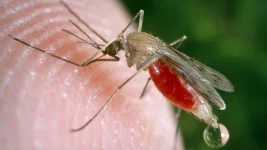
Malaria cases jumped dramatically this year across Zimbabwe. Health leaders report cases grew 180% from last year, with 59,647 people sick compared to just 21,309 before. Deaths rose even faster, at 218%, with 143 people lost versus only 45 deaths last year. More rain created perfect spots for mosquitoes to grow. Many people work outside during times when bugs bite the most.
Mining areas face the worst problems, with 115 outbreaks this year. Health teams stopped only 23 of these threats. Three places suffer most—Mashonaland Central, Manicaland, and Mashonaland West—make up almost 83% of all sick people. Young kids under five account for 14% of cases. The government gives free nets, bug killers, tests, and medicine to fight back. Officials need 600,000 more nets after America stopped helping pay for them.
Anyone feeling fever, chills, headaches, or joint pain should see a doctor quickly. Climate change makes bug season longer each year. Mining creates more places where mosquitoes breed. Health workers struggle to reach remote areas where miners live. Medicine supplies remain good at hospitals and clinics across the country.
Mining areas face the worst problems, with 115 outbreaks this year. Health teams stopped only 23 of these threats. Three places suffer most—Mashonaland Central, Manicaland, and Mashonaland West—make up almost 83% of all sick people. Young kids under five account for 14% of cases. The government gives free nets, bug killers, tests, and medicine to fight back. Officials need 600,000 more nets after America stopped helping pay for them.
Anyone feeling fever, chills, headaches, or joint pain should see a doctor quickly. Climate change makes bug season longer each year. Mining creates more places where mosquitoes breed. Health workers struggle to reach remote areas where miners live. Medicine supplies remain good at hospitals and clinics across the country.