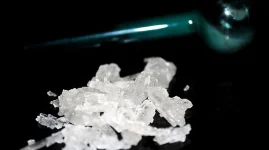
Zimbabwe's youth face a growing problem with crystal meth. The drug is known as "guka," "dombo," or "mutoriro." It is very addictive and harmful to mental health.
More young people started using meth during the COVID-19 pandemic. Lockdowns in 2020 left many feeling bored and hopeless. Meth is also cheap. It can cost as little as $1.
Unemployment and money struggles make some youths feel left out. Drugs become a way to escape. But this leads to a cycle of addiction that is hard to break.
Meth has strong effects on the brain and behavior. In the short term, it can cause paranoia, anxiety, and hallucinations. Users may feel invincible and take dangerous risks.
Some youths commit crimes to buy more meth. They might steal or sell their things.
Over time, meth damages the brain's reward system. This can lead to lasting depression, psychosis, and thinking problems.
Meth use hurts families and friends too. They worry about the user's safety and illegal activities. This stress takes an emotional and financial toll.
To address the meth crisis, many groups need to work together. Education campaigns can warn about the risks of drug use. Schools, community centers, and churches can offer support to at-risk youth.
Mental health professionals need resources to treat addiction. This includes medicine and therapy. Affordable, quality rehab centers are key for recovery.
Police also play a role. They can disrupt the meth supply and punish dealers. Stricter penalties may scare people away from selling the drug.
Community members can help, too. They can hold meetings to talk openly about meth's harms. Including users' families can lead to better solutions and support.
The meth problem in Zimbabwe is complicated. But by raising awareness, improving mental healthcare, and involving police and the community, the effects on youth can be reduced.
Everyone must work together to create a healthier society. One that can overcome the challenge of drug abuse.
More young people started using meth during the COVID-19 pandemic. Lockdowns in 2020 left many feeling bored and hopeless. Meth is also cheap. It can cost as little as $1.
Unemployment and money struggles make some youths feel left out. Drugs become a way to escape. But this leads to a cycle of addiction that is hard to break.
Meth has strong effects on the brain and behavior. In the short term, it can cause paranoia, anxiety, and hallucinations. Users may feel invincible and take dangerous risks.
Some youths commit crimes to buy more meth. They might steal or sell their things.
Over time, meth damages the brain's reward system. This can lead to lasting depression, psychosis, and thinking problems.
Meth use hurts families and friends too. They worry about the user's safety and illegal activities. This stress takes an emotional and financial toll.
To address the meth crisis, many groups need to work together. Education campaigns can warn about the risks of drug use. Schools, community centers, and churches can offer support to at-risk youth.
Mental health professionals need resources to treat addiction. This includes medicine and therapy. Affordable, quality rehab centers are key for recovery.
Police also play a role. They can disrupt the meth supply and punish dealers. Stricter penalties may scare people away from selling the drug.
Community members can help, too. They can hold meetings to talk openly about meth's harms. Including users' families can lead to better solutions and support.
The meth problem in Zimbabwe is complicated. But by raising awareness, improving mental healthcare, and involving police and the community, the effects on youth can be reduced.
Everyone must work together to create a healthier society. One that can overcome the challenge of drug abuse.