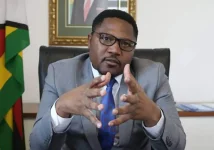
The government removed Bikita South lawmaker Energy Mutodi from his role as chair of the Parliamentary Portfolio Committee on Budget, Finance, and Investment Promotion. The decision, announced in an official letter dated Oct. 7 and signed by the Speaker of Parliament, came after Mutodi publicly accused a top finance official of corruption. The Committee on Standing Rules and Orders made the move, which took immediate effect. All benefits tied to the position have also been withdrawn.
Mutodi’s removal followed his clash with the Finance Ministry’s permanent secretary over alleged misuse of public funds. Several political observers view the dismissal as punishment for challenging figures close to President Emmerson Mnangagwa. The move echoes past actions taken against party members who questioned leadership or demanded accountability. Sources inside Parliament said Mutodi had pressed for a full probe into financial dealings tied to powerful businessmen.
His departure adds to a list of officials sidelined for raising concerns about graft within the ruling party. Former leaders, such as Lewis Matutu and Obert Mpofu, also faced similar consequences after criticizing corruption. Analysts say these events point to a growing internal struggle over power and influence. Some claim Parliament is being used to silence dissent rather than enforce policy.
As inflation and job losses rise, public pressure is building against Mnangagwa’s leadership. Civil society groups and opposition voices have started calling for his impeachment. They argue his focus on loyalty over reform is weakening national stability. Mutodi’s case is seen as part of a larger trend aimed at silencing criticism and protecting entrenched interests.
Mutodi’s removal followed his clash with the Finance Ministry’s permanent secretary over alleged misuse of public funds. Several political observers view the dismissal as punishment for challenging figures close to President Emmerson Mnangagwa. The move echoes past actions taken against party members who questioned leadership or demanded accountability. Sources inside Parliament said Mutodi had pressed for a full probe into financial dealings tied to powerful businessmen.
His departure adds to a list of officials sidelined for raising concerns about graft within the ruling party. Former leaders, such as Lewis Matutu and Obert Mpofu, also faced similar consequences after criticizing corruption. Analysts say these events point to a growing internal struggle over power and influence. Some claim Parliament is being used to silence dissent rather than enforce policy.
As inflation and job losses rise, public pressure is building against Mnangagwa’s leadership. Civil society groups and opposition voices have started calling for his impeachment. They argue his focus on loyalty over reform is weakening national stability. Mutodi’s case is seen as part of a larger trend aimed at silencing criticism and protecting entrenched interests.