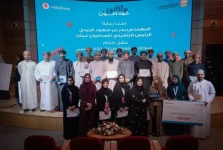
Vodafone Oman and Sultan Qaboos University just wrapped up a three-day digital hackathon focused on building real-world solutions, not just winning a contest. Over one hundred twenty participants, from students to working professionals, formed teams to tackle themes like digital government, smart cities, and healthcare. The event emphasized mentorship from both academic and industry experts, pushing for ideas that were technically solid and scalable for Omani society.
Three concepts were picked for potential further development with government and private support. First place went to Nudhum, a platform designed to pull useful insights from existing system data without requiring a full migration. Second place was Rasid, an AI monitoring system that spots unauthorized objects in secure areas. The third prize winner was EnviroSense, an indoor air monitor for spaces like cars and elevators that uses algae to convert carbon dioxide during emergencies.
This hackathon is one piece of a larger partnership between the telecom company and the university. Their collaboration also funds a PhD scholarship in AI and aims to turn academic research into practical applications, supporting Oman's national digital transformation goals.
Three concepts were picked for potential further development with government and private support. First place went to Nudhum, a platform designed to pull useful insights from existing system data without requiring a full migration. Second place was Rasid, an AI monitoring system that spots unauthorized objects in secure areas. The third prize winner was EnviroSense, an indoor air monitor for spaces like cars and elevators that uses algae to convert carbon dioxide during emergencies.
This hackathon is one piece of a larger partnership between the telecom company and the university. Their collaboration also funds a PhD scholarship in AI and aims to turn academic research into practical applications, supporting Oman's national digital transformation goals.