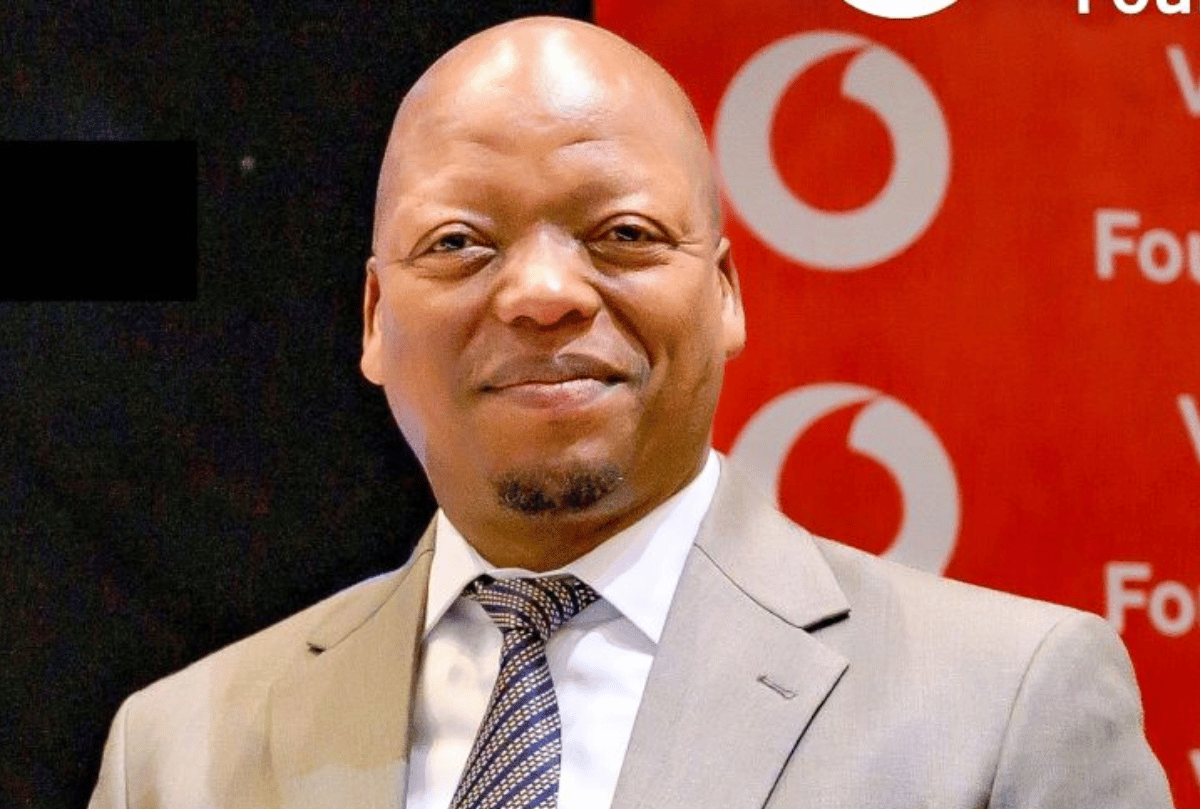
Panyaza Lesufi is set to face the press over Gauteng's response to violence against women and children. The premier will give an update at his office in Marshalltown, with a focus on what the province has done to tackle abuse, rape, and killings.
A rise in the deaths of women across South Africa led President Cyril Ramaphosa to call for urgent action. His plan has four parts, from reviving old criminal cases and clearing delays at forensic labs to checking public spaces for risks and tackling harm linked to alcohol.
Gauteng has begun a 60-day review of cases that remain unsolved, with women and children at the center of the effort. Cases that have stalled or need urgent care will get 90-day plans to help get them back on track. Faster forensic work is part of that push.
And police stations with high rape figures are getting extra focus. The 10 sites are Ivory Park, Roodepoort, Alexandra, Mamelodi East, Diepsloot, Kagiso, Atteridgeville, Reiger Park, Meadowlands, and Tembisa. Lesufi met with local leaders and police to set out how the province would tackle these gaps.
The plan also calls for more SAPS desks that deal with abuse cases. Over 1,000 GBV brigade members are due to work across 122 police areas seen as high risk. Social workers will join the effort, while groups that help survivors, such as Green Doors and local NGOs, are set to get more aid.
Safe shelters are another part of the plan. Gauteng has added a fifth area of work that looks at the state of these sites, how many staff they have, and where funds fall short. The aim is to make sure people at risk can find real help when they need it.
Local councils have their share of the work as well. Poor street lighting, vacant buildings, tall weeds, unsafe bus and taxi routes, and parks with weak security all need checks. Each town must fix urgent risks or draw up a funded plan with firm targets.
Behind the scenes, a special Gauteng team meets each week to track progress. It checks cases, reviews plans, and follows up when police fail to act. Lost files, court protection orders, bail risks, and poor contact with victims' families are all on its list.
The public should also get a clearer view of the results. Officials plan to share updates that show which faults have been dealt with and which still need work. That would give residents a way to see whether the pledges lead to real change.
Recent killings in Ekurhuleni have added weight to the push for action. The provincial government says a lack of funds cannot serve as an excuse for failing to keep vulnerable people safe.
Lesufi's media session will take place at 55 Marshall Street, inside the Gauteng Office of the Premier. Journalists have been invited to hear which steps are in place and what further action the province plans to take.