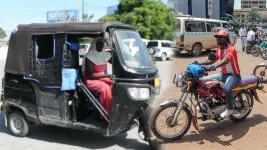
Several workers in the informal sector are calling for calm and rejecting violent protests. These petty traders, motorcycle taxi riders, and rickshaw drivers say they learned a hard lesson from recent election unrest. They argue that chaos only hurts everyday people and destroys livelihoods. A rickshaw operator named Gibson Marachi explained he could not work for five days during the trouble. This failure to earn meant he could not pay his daily fee to the rickshaw owner. He described streets filled with police and a climate of fear. Marachi now urges other young people to use legal channels for grievances, not violence.
Another rickshaw driver, Hussein Kikoti, linked peace directly to economic survival. He stated that most Tanzanians depend on daily wages. Movement restrictions during unrest mean no passengers and no income for his family. Kikoti pleaded with political figures and online influencers to seek peaceful solutions. A fruit seller named Audoksia Richard described watching long-built infrastructure destroyed in minutes. Her own business suffered when her produce rotted during the disruptions, leaving her unable to repay loans. A motorcycle rider, Lusako Mwakabungu, recalled his mother calling to warn him away from the violence. He noted all riders were unfairly blamed for the chaos. A church bishop from Simiyu Region, Marco Maduhu, called the events a major national lesson on the value of stability. These personal accounts follow a statement from the Prime Minister, who condemned the unrest as economic sabotage. He asked all citizens to ensure such violence never recurs, reflecting on the deep scars and high costs left behind.
Another rickshaw driver, Hussein Kikoti, linked peace directly to economic survival. He stated that most Tanzanians depend on daily wages. Movement restrictions during unrest mean no passengers and no income for his family. Kikoti pleaded with political figures and online influencers to seek peaceful solutions. A fruit seller named Audoksia Richard described watching long-built infrastructure destroyed in minutes. Her own business suffered when her produce rotted during the disruptions, leaving her unable to repay loans. A motorcycle rider, Lusako Mwakabungu, recalled his mother calling to warn him away from the violence. He noted all riders were unfairly blamed for the chaos. A church bishop from Simiyu Region, Marco Maduhu, called the events a major national lesson on the value of stability. These personal accounts follow a statement from the Prime Minister, who condemned the unrest as economic sabotage. He asked all citizens to ensure such violence never recurs, reflecting on the deep scars and high costs left behind.