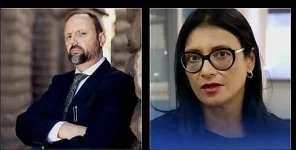
A former top cop just accused journalists of a conspiracy to ruin him. Lieutenant General Khomotso Phahlane claimed specific reporters helped engineer his removal from the police leadership. He named journalists Karima Brown and Barry Bateman as participants in an alleged plot. Phahlane made these statements while testifying before a parliamentary committee investigating police corruption. He linked their reporting to a coordinated smear campaign based on false narratives.
Phahlane presented a lengthy written statement detailing his perspective on events. He argued that negative media coverage, fueled by internal leaks, created pressure for his dismissal without proper evidence. The former acting commissioner denied all corruption allegations against him. He described raids on his home and multiple investigations as politically motivated attacks.
The parliamentary committee is examining broader claims of interference within law enforcement. Phahlane served as the committee's first witness for the year. He connected his ouster to actions by a former police minister, suggesting the minister acted due to media pressure. His testimony emphasized personal and professional damage from sustained negative press.
Karima Brown was a noted political commentator, while Barry Bateman is known for investigative crime reporting. Phahlane suggested their work formed part of a strategy to remove him from office. He implied rivals within the police service supplied damaging information to these journalists. This alleged campaign preceded his suspension over a procurement scandal involving emergency vehicle lights.
Media advocacy groups often highlight the essential role of journalism in holding powerful figures accountable. Phahlane's allegations raise questions about the relationship between law enforcement and the press. His separate legal case concerning the vehicle lights contract continues within the court system. The committee hearing also expects testimony from other senior police officials.
Public trust in both policing institutions and media integrity suffers during such protracted conflicts. Phahlane's accusations underscore deep-seated tensions within South Africa's accountability mechanisms. The outcome of the committee's work may influence policies on police management and media engagement. His testimony frames his career downfall as a result of manipulation rather than misconduct.
Phahlane presented a lengthy written statement detailing his perspective on events. He argued that negative media coverage, fueled by internal leaks, created pressure for his dismissal without proper evidence. The former acting commissioner denied all corruption allegations against him. He described raids on his home and multiple investigations as politically motivated attacks.
The parliamentary committee is examining broader claims of interference within law enforcement. Phahlane served as the committee's first witness for the year. He connected his ouster to actions by a former police minister, suggesting the minister acted due to media pressure. His testimony emphasized personal and professional damage from sustained negative press.
Karima Brown was a noted political commentator, while Barry Bateman is known for investigative crime reporting. Phahlane suggested their work formed part of a strategy to remove him from office. He implied rivals within the police service supplied damaging information to these journalists. This alleged campaign preceded his suspension over a procurement scandal involving emergency vehicle lights.
Media advocacy groups often highlight the essential role of journalism in holding powerful figures accountable. Phahlane's allegations raise questions about the relationship between law enforcement and the press. His separate legal case concerning the vehicle lights contract continues within the court system. The committee hearing also expects testimony from other senior police officials.
Public trust in both policing institutions and media integrity suffers during such protracted conflicts. Phahlane's accusations underscore deep-seated tensions within South Africa's accountability mechanisms. The outcome of the committee's work may influence policies on police management and media engagement. His testimony frames his career downfall as a result of manipulation rather than misconduct.