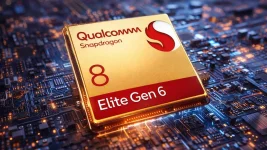
Qualcomm's two-tier chip strategy looks locked in for next year, with a crazy expensive Pro model leading the charge. The San Diego company is reportedly planning Snapdragon 8 Elite Gen 6 and a higher-tier Pro variant, continuing the split approach they started this cycle. The Pro chip, built on TSMC's costly 2nm process and featuring a new Oryon CPU design, is expected to carry a price tag well over three hundred dollars per unit. This will likely reserve it for only the most extreme flagship phones, while the standard Elite Gen 6 handles the bulk of premium shipments.
The regular version is rumored to miss out on several next-gen features to keep costs down, including support for the newer LPDDR6 memory and a top-tier GPU. Its relative affordability will be a major factor for manufacturers also grappling with soaring DRAM prices across the industry. With memory costs threatening to inflate phone bills of materials significantly, many brands may find the standard Elite Gen 6 a more sensible choice for balancing specs and profit margins.
Cooling challenges present an additional hurdle for the Pro silicon, especially if it follows the power-hungry trend of its predecessor in trying to compete with Apple's chips. The combination of a sky-high chip price, rising memory costs, and thermal management issues could make the standard Elite Gen 6 the more pragmatic and common option in the 2026 smartphone landscape. This leaves the Pro model as a potential niche product for manufacturers willing to engineer elaborate cooling solutions for a marginal performance gain.
The regular version is rumored to miss out on several next-gen features to keep costs down, including support for the newer LPDDR6 memory and a top-tier GPU. Its relative affordability will be a major factor for manufacturers also grappling with soaring DRAM prices across the industry. With memory costs threatening to inflate phone bills of materials significantly, many brands may find the standard Elite Gen 6 a more sensible choice for balancing specs and profit margins.
Cooling challenges present an additional hurdle for the Pro silicon, especially if it follows the power-hungry trend of its predecessor in trying to compete with Apple's chips. The combination of a sky-high chip price, rising memory costs, and thermal management issues could make the standard Elite Gen 6 the more pragmatic and common option in the 2026 smartphone landscape. This leaves the Pro model as a potential niche product for manufacturers willing to engineer elaborate cooling solutions for a marginal performance gain.