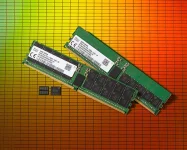
Samsung is reportedly implementing substantial price increases for its DDR5 memory, with some reports indicating hikes of up to 50 percent. This move is seen as a response to overwhelming demand from the artificial intelligence and data center sectors, which are securing large portions of the DRAM supply. The cost for a 32 GB DDR5 module has allegedly risen sharply.
As one of the world's largest memory suppliers, Samsung's pricing strategy often influences the broader market. This trend suggests that other manufacturers may also adopt more aggressive pricing, which could negatively impact PC consumers. The rising cost of memory upgrades is becoming a significant concern for gamers and general users alike.
Industry analysts attribute the shortages and subsequent price surges to the high demand for memory from large-scale data center deployments. These facilities are prioritizing high-bandwidth memory and large-capacity modules, which in turn constrains the supply available for the consumer market. This dynamic is expected to lead to continued high prices for retail memory products from various brands.
As one of the world's largest memory suppliers, Samsung's pricing strategy often influences the broader market. This trend suggests that other manufacturers may also adopt more aggressive pricing, which could negatively impact PC consumers. The rising cost of memory upgrades is becoming a significant concern for gamers and general users alike.
Industry analysts attribute the shortages and subsequent price surges to the high demand for memory from large-scale data center deployments. These facilities are prioritizing high-bandwidth memory and large-capacity modules, which in turn constrains the supply available for the consumer market. This dynamic is expected to lead to continued high prices for retail memory products from various brands.