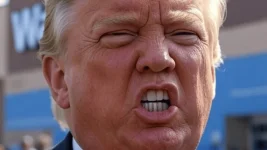
President Donald Trump delivered an ultimatum to Russian President Vladimir Putin during a White House meeting with NATO Secretary General Mark Rutte on Monday. The administration established a 50-day deadline for Moscow to conclude the Ukraine conflict or face severe economic consequences. Trump announced plans to implement secondary tariffs of approximately 100 percent against nations maintaining trade relationships with Russia beyond September. The president expressed deep dissatisfaction with Russian actions and emphasized the administration's commitment to decisive action. This represents the latest escalation in American diplomatic pressure on Moscow.
The tariff measures would affect major economies that continue importing Russian energy products or sustaining commercial ties with the Kremlin. China, India, Brazil, and Turkey face potential economic disruption under the proposed sanctions framework. These penalties could fundamentally alter global energy markets and compel affected nations to reassess their diplomatic positions. The White House simultaneously announced plans to provide billions of dollars worth of American military equipment to NATO partners. European countries will purchase these weapons systems before transferring them to Ukrainian forces.
Trump has previously employed similar economic threats against nations purchasing oil from Venezuela and Iran. The Venezuela-focused tariffs have already created pressure on China as that country's primary petroleum customer. The administration has not specified which Russian commodities would face restrictions under the new measures. Previous statements have emphasized energy exports as primary targets for economic pressure. The September deadline establishes a definitive timeline for Putin to respond to American demands.
The tariff measures would affect major economies that continue importing Russian energy products or sustaining commercial ties with the Kremlin. China, India, Brazil, and Turkey face potential economic disruption under the proposed sanctions framework. These penalties could fundamentally alter global energy markets and compel affected nations to reassess their diplomatic positions. The White House simultaneously announced plans to provide billions of dollars worth of American military equipment to NATO partners. European countries will purchase these weapons systems before transferring them to Ukrainian forces.
Trump has previously employed similar economic threats against nations purchasing oil from Venezuela and Iran. The Venezuela-focused tariffs have already created pressure on China as that country's primary petroleum customer. The administration has not specified which Russian commodities would face restrictions under the new measures. Previous statements have emphasized energy exports as primary targets for economic pressure. The September deadline establishes a definitive timeline for Putin to respond to American demands.