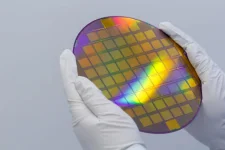
TSMC might be upgrading its planned factory in Japan to make more advanced chips. Reports say the company is considering switching its second Kumamoto plant from older production tech directly to the newer 2-nanometer process. This move is a response to huge demand from AI companies for cutting-edge semiconductors, with clients like NVIDIA already looking ahead.
Their first Japanese fab focused on more mature 28-nanometer tech for car chips, but demand there softened. Initially, the second facility was meant for 6 or 4 nanometer production. An internal review apparently suggested skipping those to aim for 2 nanometers, ensuring the plant stays relevant when it opens in a few years. The Japanese government is supposedly willing to offer more subsidies if TSMC makes this shift.
Part of the reason could be local competition. Another Japanese firm, Rapidus, is making its own push into advanced 2-nanometer production with a similar timeline. TSMC likely wants to keep its edge in the region. The decision ultimately rests with company leadership, but it highlights the race to keep up with the intense needs of the AI hardware market.
Their first Japanese fab focused on more mature 28-nanometer tech for car chips, but demand there softened. Initially, the second facility was meant for 6 or 4 nanometer production. An internal review apparently suggested skipping those to aim for 2 nanometers, ensuring the plant stays relevant when it opens in a few years. The Japanese government is supposedly willing to offer more subsidies if TSMC makes this shift.
Part of the reason could be local competition. Another Japanese firm, Rapidus, is making its own push into advanced 2-nanometer production with a similar timeline. TSMC likely wants to keep its edge in the region. The decision ultimately rests with company leadership, but it highlights the race to keep up with the intense needs of the AI hardware market.