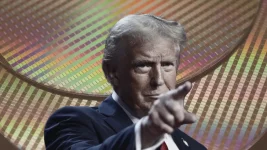
Chinese artificial intelligence company DeepSeek struggles to obtain advanced computer chips from NVIDIA. American trade restrictions block the flow of high-end processors to mainland China. The export controls target NVIDIA's H20 AI accelerator chips that power machine learning systems. DeepSeek needs these chips to develop its next AI model called R2. Company leader Liang Wenfeng expresses dissatisfaction with the new model's current performance.
The chip shortage prevents Chinese cloud computing companies from running the R2 system. DeepSeek achieved major success with its previous R1 model that caused NVIDIA stock prices to fall. Investors had expected strong results from the follow-up R2 release. The company cannot announce a launch date for R2 because domestic providers lack enough computing power. Current chip supplies remain tied up running the popular R1 model for existing customers.
Reports suggest DeepSeek maintains connections with China's military forces. The company allegedly uses Asian shell companies to acquire restricted NVIDIA chips through indirect channels. These efforts have not provided sufficient hardware for large-scale R2 deployment. NVIDIA has not created special chip versions for the Chinese market. Alternative processors from Huawei cannot match NVIDIA's capabilities for widespread AI applications.
The trade restrictions appear effective at slowing China's artificial intelligence development. DeepSeek faces significant technical challenges without access to cutting-edge American semiconductors. The situation demonstrates how export controls impact global technology competition between the United States and China.
The chip shortage prevents Chinese cloud computing companies from running the R2 system. DeepSeek achieved major success with its previous R1 model that caused NVIDIA stock prices to fall. Investors had expected strong results from the follow-up R2 release. The company cannot announce a launch date for R2 because domestic providers lack enough computing power. Current chip supplies remain tied up running the popular R1 model for existing customers.
Reports suggest DeepSeek maintains connections with China's military forces. The company allegedly uses Asian shell companies to acquire restricted NVIDIA chips through indirect channels. These efforts have not provided sufficient hardware for large-scale R2 deployment. NVIDIA has not created special chip versions for the Chinese market. Alternative processors from Huawei cannot match NVIDIA's capabilities for widespread AI applications.
The trade restrictions appear effective at slowing China's artificial intelligence development. DeepSeek faces significant technical challenges without access to cutting-edge American semiconductors. The situation demonstrates how export controls impact global technology competition between the United States and China.