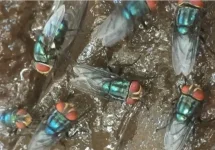
The United States will spend 8.5 million dollars to build a special fly factory in Texas. Workers at the plant will breed millions of male flies that cannot reproduce. Officials want to stop dangerous screwworm parasites from spreading north from Mexico. These flesh-eating bugs attack cattle and other animals through open wounds.
The screwworm problem returned to southern Mexico during 2024 after being gone for decades. Female flies lay eggs inside cuts on warm-blooded creatures. Baby worms then eat the living flesh and can kill livestock. The pests might reach American farms during late summer when cows give birth.
Scientists will release sterile male flies to mate with wild females. This method worked before when America eliminated screwworms during the 1960s. The Texas facility will be only the second one like it in North and South America. Panama already operates a similar plant to block the bugs from moving north.
Agriculture Secretary Brooke Rollins called the factory essential for protecting American herds. The government also plans to spend 21 million dollars converting a fruit fly plant near Guatemala. A third breeding center will open near the Texas location with capacity for 300 million sterile flies each week.
The screwworm problem returned to southern Mexico during 2024 after being gone for decades. Female flies lay eggs inside cuts on warm-blooded creatures. Baby worms then eat the living flesh and can kill livestock. The pests might reach American farms during late summer when cows give birth.
Scientists will release sterile male flies to mate with wild females. This method worked before when America eliminated screwworms during the 1960s. The Texas facility will be only the second one like it in North and South America. Panama already operates a similar plant to block the bugs from moving north.
Agriculture Secretary Brooke Rollins called the factory essential for protecting American herds. The government also plans to spend 21 million dollars converting a fruit fly plant near Guatemala. A third breeding center will open near the Texas location with capacity for 300 million sterile flies each week.