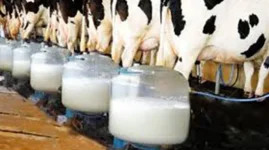
Zimbabwe looks set to beat last year's milk production of 114 million liters. The government is pushing hard to improve dairy farms. They want farmers to produce 150 million liters each year, even though people need about 131 million. Farmers keep making more milk because of all the help programs.
Recent numbers tell an exciting story—milk jumped from 18.3 million to 18.4 million liters in just one year, adding up to an extra 123,683 liters flowing from farms. Dairy companies processed almost 16.9 million liters, slightly more than before. Farmers sold over 1.5 million liters directly to customers, easily beating the previous 1.4 million.
Professor Obert Jiri from the agriculture department says these gains mean fewer foreign milk imports. More local farmers have jumped into dairy farming with government backing. The national cow herd grows faster, thanks to imported female cows that breed with local stock. Mr. Cloudious Burira, who helps run dairy farming in Mashonaland West, sees big things ahead.
He points to various government programs that boost milk output across the country. The European Union funded training that made a real difference for farmers. Teams visited farms everywhere to teach better ways to produce milk and mix cattle feed. Edward Warambwa, who chairs the national dairy farmers group, believes Zimbabwe will soon make all its milk.
He advocates rules that encourage farms to use solar power and biogas energy systems. He thinks tax breaks would attract investors, and money should go toward better irrigation and farm roads. The government already provides access to quality breeding materials and vaccines. It started a special feed program that helps 1,500 small dairy farmers with supplies for growing cattle food.
Nyasha Taderera analyzes farm economics and calls these changes positive steps forward. She predicts less milk powder coming from South Africa and more people drinking local milk. More business people might invest in dairy soon. Leaders plan to reach 150 million liters and expand from 40,000 to 60,000 dairy cows by 2025.
The whole plan needs about $75 million to transform dairy farming completely. As government agencies work together with private businesses, Zimbabwe moves toward a strong, lasting dairy industry.
Recent numbers tell an exciting story—milk jumped from 18.3 million to 18.4 million liters in just one year, adding up to an extra 123,683 liters flowing from farms. Dairy companies processed almost 16.9 million liters, slightly more than before. Farmers sold over 1.5 million liters directly to customers, easily beating the previous 1.4 million.
Professor Obert Jiri from the agriculture department says these gains mean fewer foreign milk imports. More local farmers have jumped into dairy farming with government backing. The national cow herd grows faster, thanks to imported female cows that breed with local stock. Mr. Cloudious Burira, who helps run dairy farming in Mashonaland West, sees big things ahead.
He points to various government programs that boost milk output across the country. The European Union funded training that made a real difference for farmers. Teams visited farms everywhere to teach better ways to produce milk and mix cattle feed. Edward Warambwa, who chairs the national dairy farmers group, believes Zimbabwe will soon make all its milk.
He advocates rules that encourage farms to use solar power and biogas energy systems. He thinks tax breaks would attract investors, and money should go toward better irrigation and farm roads. The government already provides access to quality breeding materials and vaccines. It started a special feed program that helps 1,500 small dairy farmers with supplies for growing cattle food.
Nyasha Taderera analyzes farm economics and calls these changes positive steps forward. She predicts less milk powder coming from South Africa and more people drinking local milk. More business people might invest in dairy soon. Leaders plan to reach 150 million liters and expand from 40,000 to 60,000 dairy cows by 2025.
The whole plan needs about $75 million to transform dairy farming completely. As government agencies work together with private businesses, Zimbabwe moves toward a strong, lasting dairy industry.