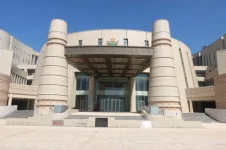
Zimbabwe lawmakers face angry criticism over unfair language practices during parliament meetings. A member complained when questions asked through Ndebele got translated into English for everyone to hear. Shona answers received no translation for Ndebele speakers and others who needed help. The complaint sparked immediate concern about fair treatment for all legislators. Parliament members should receive equal access to debate discussions regardless of which language they speak.
Some lawmakers laughed at the language concern and brushed off the complaint completely. Their dismissive attitude made citizens furious about parliament behavior. Critics pointed out the irony that lawmakers who make national rules cannot follow basic respect principles themselves. The institution responsible for creating fair laws fails to practice fairness during their meetings. Public anger grew when lawmakers treated serious language rights like a joke.
Speaker Jacob Mudenda faces sharp criticism for allowing poor language standards to continue. Citizens question why the Ndebele speaker permits unprofessional conduct around translation services. Political experts believe Mudenda should demand proper interpretation for all members during debates. His language background makes his silence about translation problems even more puzzling. Many expect the speaker to lead efforts for better language access.
Zimbabwe recognizes sixteen official languages through its constitution and requires parliament to provide interpretation services. Civic leaders demand urgent reforms to fix language barriers that prevent full participation. Citizens want proper translation systems that respect constitutional language rights. Advocacy groups plan to pressure parliament for immediate changes to interpretation practices. Every elected representative deserves to understand and be understood during legislative discussions.
The controversy highlights deeper problems with respecting diversity at government levels. Language barriers should never prevent democratic participation through elected officials. Parliament sets standards for respecting cultural differences across the nation. Fair language access remains essential for democracy to work properly. Zimbabwe needs its highest institutions to model the respect and equality they expect from citizens.
Some lawmakers laughed at the language concern and brushed off the complaint completely. Their dismissive attitude made citizens furious about parliament behavior. Critics pointed out the irony that lawmakers who make national rules cannot follow basic respect principles themselves. The institution responsible for creating fair laws fails to practice fairness during their meetings. Public anger grew when lawmakers treated serious language rights like a joke.
Speaker Jacob Mudenda faces sharp criticism for allowing poor language standards to continue. Citizens question why the Ndebele speaker permits unprofessional conduct around translation services. Political experts believe Mudenda should demand proper interpretation for all members during debates. His language background makes his silence about translation problems even more puzzling. Many expect the speaker to lead efforts for better language access.
Zimbabwe recognizes sixteen official languages through its constitution and requires parliament to provide interpretation services. Civic leaders demand urgent reforms to fix language barriers that prevent full participation. Citizens want proper translation systems that respect constitutional language rights. Advocacy groups plan to pressure parliament for immediate changes to interpretation practices. Every elected representative deserves to understand and be understood during legislative discussions.
The controversy highlights deeper problems with respecting diversity at government levels. Language barriers should never prevent democratic participation through elected officials. Parliament sets standards for respecting cultural differences across the nation. Fair language access remains essential for democracy to work properly. Zimbabwe needs its highest institutions to model the respect and equality they expect from citizens.