Zimbabwe's new digital tax is sending people across the border for bank accounts. A fresh fifteen percent levy on online subscriptions has citizens scrambling. Many are opening non-resident accounts in South Africa to dodge the charge. This tax gets slapped on by local banks and mobile money platforms. It piles on top of existing transfer fees and another two percent tax. The total cost of a hundred-dollar payment can now hit twenty-three bucks.
This brutal increase feels like double taxation to a lot of users. It has sparked a major rush toward offshore payment options. People want to protect their savings from these growing fees. The sentiment online is clear. Many are thankful that foreign bank cards avoid this mess. Opening a non-resident account at a bank like FNB is a popular path. The main document you need is just a valid passport.
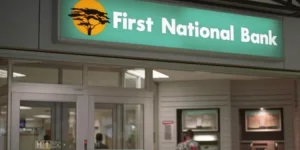
You do not need a South African ID or local proof of address. Having a South African mobile number helps with alerts, though. You cannot do this from your couch in Zimbabwe. The process requires a personal visit to an FNB branch inside South Africa. You just walk in and ask for the non-resident account. Staff handle the paperwork right there. You will usually leave with the account open and the banking app on your phone.
You can order a debit card for local use during the visit. The card gets delivered to a South African address you choose. Activating the account needs a tiny initial deposit. Something like five US dollars or a hundred South African Rand is enough. This account holds only South African Rand. Any foreign currency you send gets converted automatically. You can receive payments from overseas work or transfers.
Each foreign deposit triggers an email asking about the source of funds. A simple, honest reply, like consulting fees, is fine. Monthly account fees are generally under five dollars. You can link a savings account with it, too. The main perk is paying subscriptions without that fifteen percent tax. The debit card works in several neighboring countries. You can also use it for South African services directly.
There are some key limitations to understand. You cannot hold US dollars in this account. Withdrawing dollar cash requires buying it with your Rand at a special branch. You also need a travel itinerary for that transaction. The standard card might not work for international online shopping automatically. You may need to request special activation for that feature. This whole trend is reshaping financial behavior.
People are actively moving transactions away from local banks. Some critics argue that this policy encourages money laundering. Others just see it as a necessary workaround for predictable finances. Whether problematic or practical, the shift is undeniable.
This brutal increase feels like double taxation to a lot of users. It has sparked a major rush toward offshore payment options. People want to protect their savings from these growing fees. The sentiment online is clear. Many are thankful that foreign bank cards avoid this mess. Opening a non-resident account at a bank like FNB is a popular path. The main document you need is just a valid passport.
You do not need a South African ID or local proof of address. Having a South African mobile number helps with alerts, though. You cannot do this from your couch in Zimbabwe. The process requires a personal visit to an FNB branch inside South Africa. You just walk in and ask for the non-resident account. Staff handle the paperwork right there. You will usually leave with the account open and the banking app on your phone.
You can order a debit card for local use during the visit. The card gets delivered to a South African address you choose. Activating the account needs a tiny initial deposit. Something like five US dollars or a hundred South African Rand is enough. This account holds only South African Rand. Any foreign currency you send gets converted automatically. You can receive payments from overseas work or transfers.
Each foreign deposit triggers an email asking about the source of funds. A simple, honest reply, like consulting fees, is fine. Monthly account fees are generally under five dollars. You can link a savings account with it, too. The main perk is paying subscriptions without that fifteen percent tax. The debit card works in several neighboring countries. You can also use it for South African services directly.
There are some key limitations to understand. You cannot hold US dollars in this account. Withdrawing dollar cash requires buying it with your Rand at a special branch. You also need a travel itinerary for that transaction. The standard card might not work for international online shopping automatically. You may need to request special activation for that feature. This whole trend is reshaping financial behavior.
People are actively moving transactions away from local banks. Some critics argue that this policy encourages money laundering. Others just see it as a necessary workaround for predictable finances. Whether problematic or practical, the shift is undeniable.