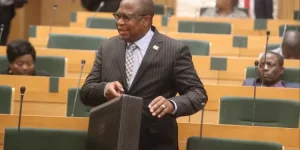
Finance Minister Mthuli Ncube revealed that Zimbabwe businesses achieve profitability only through regulatory violations during his 2025 Mid-Term Budget Review presentation to Parliament on July 31. The minister acknowledged that compliance with legal requirements forces companies into losses while non-compliance enables profits. This admission validates long-standing business complaints about excessive bureaucratic burdens and taxation policies. Government officials recognize the regulatory framework creates unsustainable operating conditions for legitimate enterprises. Ncube announced upcoming business reforms targeting fee reductions and streamlined requirements.
Zimbabwe National Statistics Agency data shows the informal economy expanded from 60 percent to 76.1 percent of total economic activity. This shadow economy generates approximately 14.2 billion US dollars annually while avoiding formal regulatory obligations. The Reserve Bank of Zimbabwe reports this figure nearly matches formal sector output. Government spending reached 98 billion ZiG during the first half of 2025, falling short of the 127.5 billion ZiG target. Officials aim to achieve revenue collection between 22 and 25 percent of GDP by 2030.
Zimbabwe National Statistics Agency data shows the informal economy expanded from 60 percent to 76.1 percent of total economic activity. This shadow economy generates approximately 14.2 billion US dollars annually while avoiding formal regulatory obligations. The Reserve Bank of Zimbabwe reports this figure nearly matches formal sector output. Government spending reached 98 billion ZiG during the first half of 2025, falling short of the 127.5 billion ZiG target. Officials aim to achieve revenue collection between 22 and 25 percent of GDP by 2030.