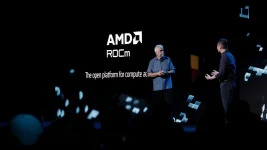
AMD added ROCm support for its new graphics cards at a recent computer show. The company released ROCm 6.4.1 software that works with RX 9070 cards and Strix Halo chips. This software helps regular people use artificial intelligence on their home computers. It aims to compete against NVIDIA's popular CUDA platform. The update marks a shift from professional-only AI to everyday consumer use.
With this update, Strix Halo chips can use their built-in AI parts alongside 40 graphics units and 16 processor cores. RDNA 4 graphics cards can run advanced AI programs like PyTorch and local language models. Users can create images with Stable Diffusion without sending data to internet services. Microsoft recently made Windows Subsystem for Linux free for everyone to modify. The AMD software works well with this system, letting more people access these tools.
AMD plans to make its software compatible with more versions of Linux, like OpenSuSE and Ubuntu, next year. The company focuses on regular consumers rather than experts, which makes sense because AMD already sells many products to everyday computer users.
With this update, Strix Halo chips can use their built-in AI parts alongside 40 graphics units and 16 processor cores. RDNA 4 graphics cards can run advanced AI programs like PyTorch and local language models. Users can create images with Stable Diffusion without sending data to internet services. Microsoft recently made Windows Subsystem for Linux free for everyone to modify. The AMD software works well with this system, letting more people access these tools.
AMD plans to make its software compatible with more versions of Linux, like OpenSuSE and Ubuntu, next year. The company focuses on regular consumers rather than experts, which makes sense because AMD already sells many products to everyday computer users.