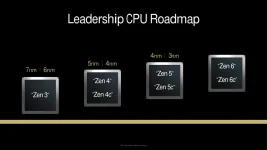
AMD plans to pack more power into their next computer chips with a design called Zen 6. The company wants to stack cache memory like layers of a cake to boost performance. These new processors will hold 192 MB of cache memory per section compared to just 64 MB on current Zen 5 chips. Engineers moved the cache under the main processing cores to help them run faster. This change does make the chips use more electricity though.
The new Zen 6 processors will jump from 8 cores to 12 cores per section. Cache memory will also grow from 32 MB to 48 MB to handle the extra workload. AMD might stack two layers of their special 3D cache technology to feed all those cores. Desktop computers will likely start with just one layer of the stacked cache design. The exact setup remains a mystery for the moment.
Server versions of Zen 6 carry the code name Venice and will use advanced 2 nanometer manufacturing. These powerful chips will support up to 256 processing cores for heavy-duty computing tasks. AMD will create new socket designs called SP7 and SP8 to handle 16 channels of memory. Venice processors should deliver about 70 percent more performance than current Zen 5 chips. The company targets a 2026 release date for these server processors.
Rumors about these chips come from industry insiders who sometimes miss the mark. AMD has confirmed the Venice server chips will use the latest manufacturing technology. The cache improvements aim to help computers handle multiple tasks at once much better. All these upgrades should make future AMD processors significantly faster than today's models.
The new Zen 6 processors will jump from 8 cores to 12 cores per section. Cache memory will also grow from 32 MB to 48 MB to handle the extra workload. AMD might stack two layers of their special 3D cache technology to feed all those cores. Desktop computers will likely start with just one layer of the stacked cache design. The exact setup remains a mystery for the moment.
Server versions of Zen 6 carry the code name Venice and will use advanced 2 nanometer manufacturing. These powerful chips will support up to 256 processing cores for heavy-duty computing tasks. AMD will create new socket designs called SP7 and SP8 to handle 16 channels of memory. Venice processors should deliver about 70 percent more performance than current Zen 5 chips. The company targets a 2026 release date for these server processors.
Rumors about these chips come from industry insiders who sometimes miss the mark. AMD has confirmed the Venice server chips will use the latest manufacturing technology. The cache improvements aim to help computers handle multiple tasks at once much better. All these upgrades should make future AMD processors significantly faster than today's models.