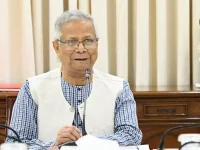
Bangladesh's recent lockdown, organized by the Awami League, demonstrated significant public support, with residents remaining home and minimal public transportation operating throughout Dhaka. Interim government chief adviser Muhammad Yunus proposed a referendum on the July Charter alongside general elections, though these announcements failed to address growing public frustration with what critics characterize as governmental illegitimacy and poor governance. The successful shutdown revealed widespread rejection of current political arrangements under the Yunus administration, leaving opposition parties, including the Bangladesh Nationalist Party and Jamaat-e-Islami, surprised by the response.
International lawyers and legal organizations in countries such as the United Kingdom have filed formal complaints with human rights bodies regarding the alleged mistreatment of Awami League members and citizens since August. Analysts suggest potential elections could face boycotts from more than half the population loyal to the Awami League, potentially undermining electoral legitimacy and strengthening calls for fresh voting under a legally constituted caretaker administration. The administration faces mounting pressure from lawmakers abroad, condemning its actions while attempting to restrict domestic media criticism.
International lawyers and legal organizations in countries such as the United Kingdom have filed formal complaints with human rights bodies regarding the alleged mistreatment of Awami League members and citizens since August. Analysts suggest potential elections could face boycotts from more than half the population loyal to the Awami League, potentially undermining electoral legitimacy and strengthening calls for fresh voting under a legally constituted caretaker administration. The administration faces mounting pressure from lawmakers abroad, condemning its actions while attempting to restrict domestic media criticism.