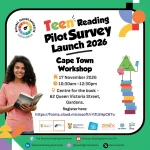
The National Reading Barometer found that just 45% of teens in its pilot see themselves as keen or regular readers. The project is bringing those results to Cape Town, where a workshop will look at what gets young South Africans into books and what holds them back.
And there is quite a bit to unpack. Girls in the study read more often than boys, while older teens were less likely to see reading as part of who they are. The pilot spoke with children aged 10 to 17 and their caregivers to learn what their reading lives are like.
One detail stands out. Nearly six in 10 teens said they had books at home that belonged to them. Even a few books made a difference, as teens with access to them were more likely to read for fun.
Libraries still play a big role here. About 45% of the teens had used a public library in the past year, a higher share than the adult group in an earlier national study. Schools also helped them get books, with free print copies proving popular.
Print had the edge over digital formats, most of all in rural areas. Teens also wanted more stories in languages they speak at home, with plots and people that match their daily lives. Fair enough, given that the goal is to help them enjoy what they read.
The wider project tracks how well South Africa reads, from basic skills and book access to support from schools and other groups. Nal'ibali Trust leads the work with the National Library of South Africa, while the Zenex Foundation, DGMT, and National Education Collaboration Trust help fund and back it.
Past work with people aged 16 and up found a gap between those who read at all and those who make a habit of reading longer texts. Many homes had few books, and the study found that much of the country's reading support system still had room to grow.
That matters for children who struggle with basic reading skills. School checks have found that many pupils in the early grades cannot read at the level set for their age in their home language. Other research has raised fears about children who reach age 10 yet still find it hard to grasp the meaning of a text.
The teen pilot first shared its findings in Pretoria. It also served as a test for a larger national study planned for 2027, which would give younger readers a place in a project that had focused on adults.
Educators, book publishers, literacy groups, and people who shape public policy are among those the Cape Town session hopes to reach. Rather than just discuss reading scores, the workshop will look at what teens say they need and how that could guide future support.
The Centre for the Book, at 62 Queen Victoria Street in Gardens, will host the event. Media guests are welcome, with the focus on making teen reading habits a bigger part of South Africa's plans to build a stronger reading culture.